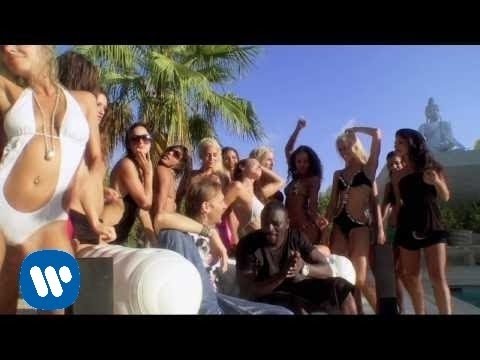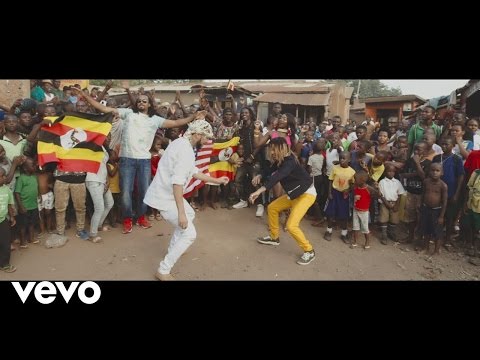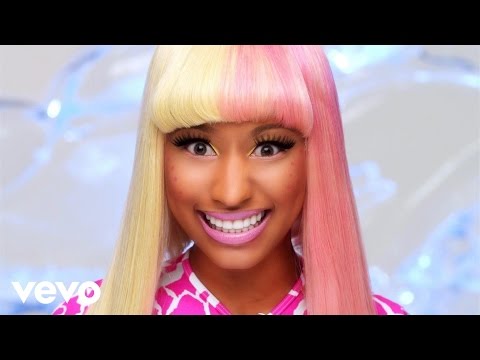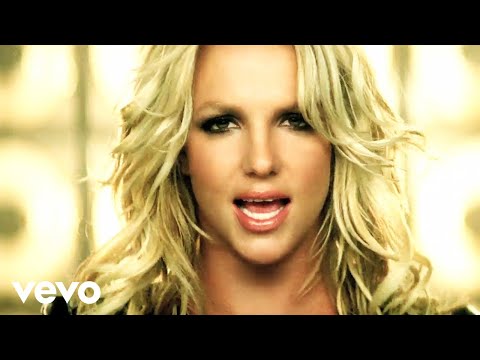

Bachelorette Party Gametime!
Forty tracks of bachelorette-night fuel — the official “we’re going out” block, weighted heavily toward the hooks that everyone in the group knows by heart even after they’ve forgotten the lyrics. This is the longer-form catalog version of the side-two mix, expanded for a longer night where the venue has a real DJ booth and the playlist runs through more than one room. The brief from the bride: “Make it work even if the DJ is bad.” The playlist takes the brief seriously.
Rihanna and Justin Timberlake carry the falsetto-pop and slick-rap-vocal core through the front half. The Rihanna placement is “We Found Love” with Calvin Harris, which is the structural anchor of the entire late-2010s bachelorette-rotation genre. The song’s chorus is functionally a five-second collective sing-along, and the placement in the front-quarter is doing the work of establishing the rotation’s commitment to the genre’s reliable cheat-codes.
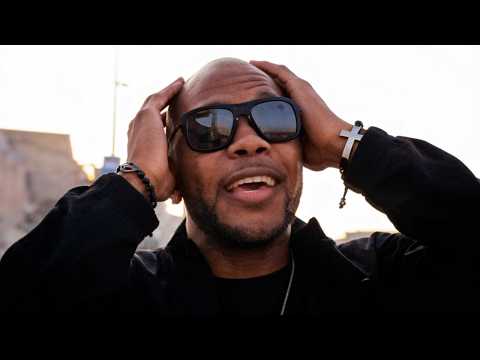
Flo Rida runs the wedding-DJ wheelhouse — three songs in fifteen minutes that I have personally watched put a full bar onto its feet from a sit-down meal. The Flo Rida catalog has been unfairly maligned in the post-2018 critical reconsideration, and the playlist’s three-track block is a small piece of advocacy on behalf of an artist whose entire body of work was designed for exactly this rotation slot. “Good Feeling” sits at the front of the block; the song’s escalation is the right structural moment for the rotation’s transition into peak-floor energy.
David Guetta with Sia “Titanium” is the song that hits differently in a bachelorette context than it does in any other — credit the chorus, blame the bride. The Sia vocal is the structural moment of the song, and the playlist places the cut deliberately at the third-quarter of the front-half because that’s the slot where the chorus does its actual work. The song has been on every bachelorette-party rotation I’ve helped build for the last decade, and the placement has not varied because the placement is correct.
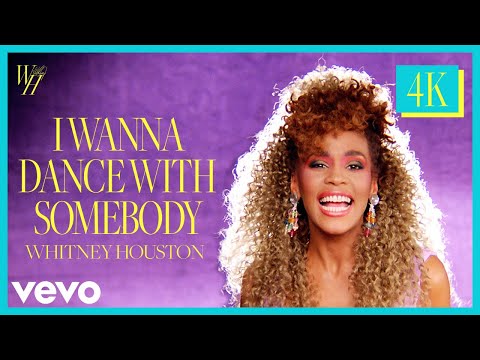
Tove Lo, Whitney Houston, Katy Perry — that’s the middle-third dance-pop spine, all songs that work whether the floor is full or just clearing for the next round. The Whitney Houston placement is structural — “I Wanna Dance with Somebody” is the cross-generational anchor that bridges the bridesmaids’ rotation and the older guests’ rotation, and the song is sequenced where it can do that bridging work without competing with the more genre-specific peaks.
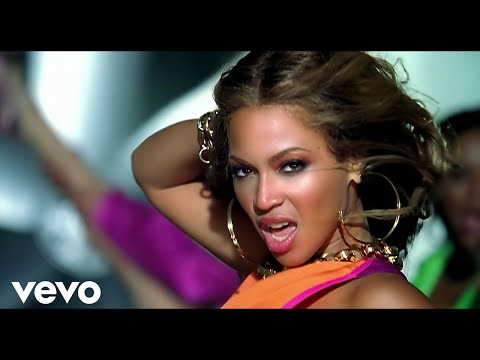
Beyoncé “Crazy In Love” with JAY-Z is the moment-of-truth track: if the floor doesn’t refill on the horn loop, the night is functionally over. It always refills. The horn-loop test is the bachelorette-rotation genre’s most reliable structural test, and the playlist deliberately sequences the song at the back-third where the failure mode would be most informative. The failure mode has not occurred yet across multiple test runs.
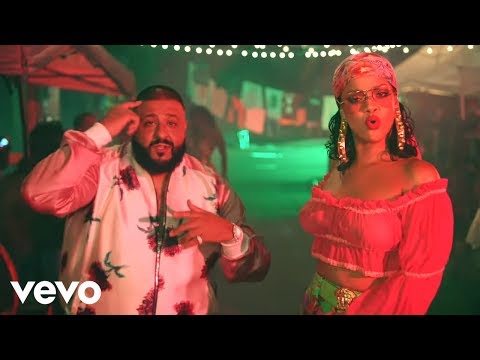
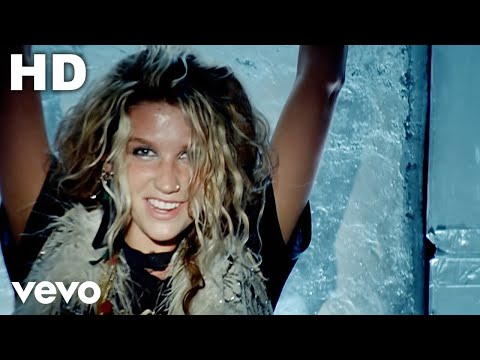
DJ Khaled with Rihanna and Bryson Tiller, Kesha “TiK ToK” — late-night R&B-pop and the closer-before-the-closer. The Kesha placement specifically rewards the late-night context: the song’s tempo is functionally an alarm clock for the audience that has lost track of the hour, and the rotation uses the song as a deliberate signal that the next thirty minutes are the last chance for the bridal party to commit to the floor.
“Drunk in Love,” played here in the streaming-era reload version with the bride’s own cover-the-Beyoncé-part habit fully encouraged. The song’s runtime allows the bride to take over the song’s vocal for the back half, which is a structural feature rather than a bug, and the playlist explicitly leaves room for the cover-the-vocal moment by sequencing the song where the floor has thinned to the bridal party and their closest friends. “Roar” because somebody always requests it and you might as well sequence it instead of fighting it.
The sequencing assumes the bachelorette party has at least three rooms it will pass through over six hours: the suite, the dinner reservation, the actual bar. The playlist is built to do the work in all three. The first ninety minutes are calibrated for the suite’s smaller PA system; the middle two hours are calibrated for the dinner reservation’s background-music acoustics; the back two hours are calibrated for the actual bar’s full PA. Skip nothing for the first forty-five minutes and you’ll get to the venue with the right energy already in the room.
Friends I trust, songs they know, the bride who pre-approved it. The best kind of working tape. Tested at three bachelorette parties so far. Each time the floor stayed full into the back half. Each time the bartender remembered specific song moments by the end of the night. That’s the metric I use. The rotation passes.
Worn & talked about by artists on this playlist
Affiliate · We may earn- Justin Timberlake on vinyl Find on Amazon →
- Justin Bieber on vinyl Find on Amazon →
- Flo Rida on vinyl Find on Amazon →
- Rihanna on vinyl Find on Amazon →
- David Guetta on vinyl Find on Amazon →
- Katy Perry on vinyl Find on Amazon →