
Bachelorette Party Pregame
Bachelorette pregame — the thirty-seven-track warm-up before the night actually begins. Made for the suite, the bathroom-mirror crew, the bridal-party-shows-up-an-hour-early-with-snacks moment. The energy is deliberately one notch lower than the going-out block, because pregame music is supposed to do the work of making everyone sing, not the work of making everyone sweat. The distinction is critical. Pregame energy at peak-floor levels burns the bridal party out before they leave the suite. The playlist respects the distinction.
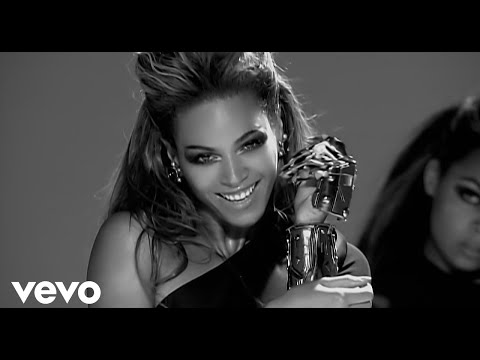
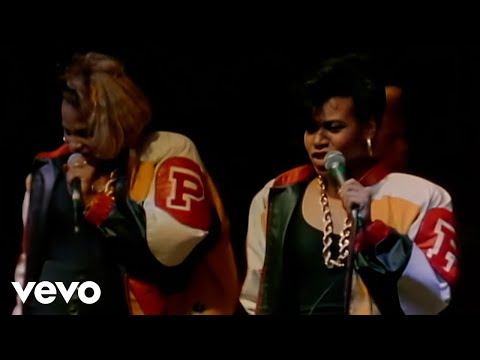
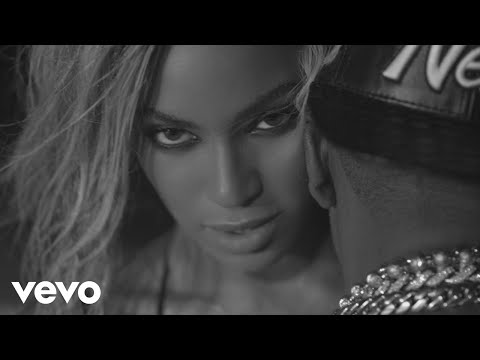
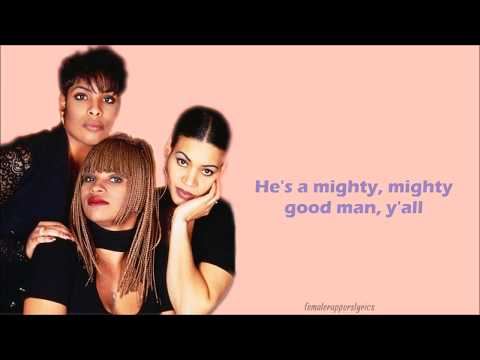
Beyoncé and Salt-N-Pepa anchor the empowerment block — the playlist version of fixing each other’s hair in the mirror. The Salt-N-Pepa placement is the structural opener of the empowerment-singalong run; the song’s chorus is functionally an invitation for everyone in the suite to commit to the rotation without having to be asked. By the second chorus, the bridesmaids who showed up still wearing their work clothes have committed to changing into the going-out outfits, and the rotation has earned its first structural win.
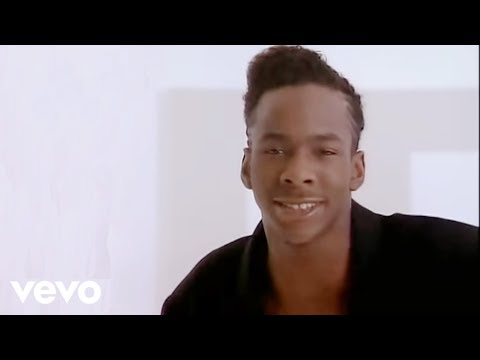
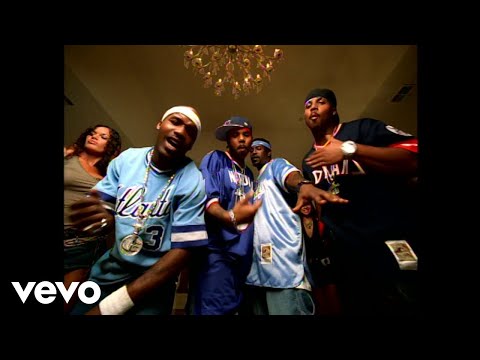
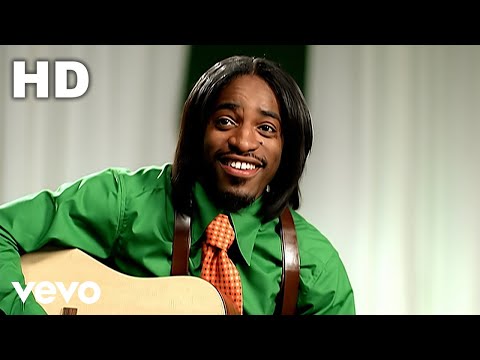
Bobby Brown “Every Little Step,” Jagged Edge with Nelly “Where the Party At,” Beyoncé and Sean Paul “Baby Boy” — that’s the front-quarter R&B-pop spine, the songs that double as memory triggers for everyone in the room who remembers exactly which year of college they first heard each one. The three-track block is deliberately sequenced in chronological-release order, which is the right call for the pregame context: the rotation is doing the work of recreating the bridal party’s collective memory of the late-’90s-into-early-’00s R&B-radio rotation, and the chronological order is the structural moment that triggers the involuntary memory-cascade the rotation is designed for.
Heavy D & The Boyz “Now That We Found Love” with Aaron Hall is the bridge into the early-’90s deep-cut territory, the section that separates the bridal party’s friends-from-back-home (who know every word) from the friends-from-now (who learn fast). The Heavy D placement is the structural anchor of the pregame’s middle-section, and the song’s runtime is calibrated to give the back-home friends enough room to commit to the singalong before the rest of the rotation catches up.
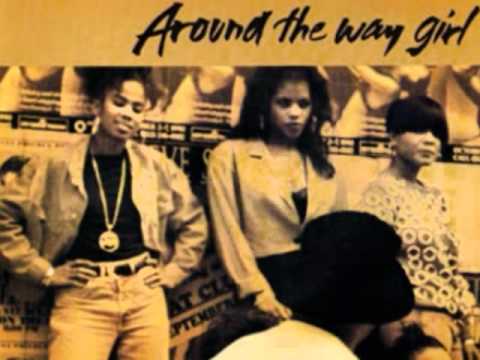
LL Cool J does two songs in a row, on purpose, because the LL Cool J two-song run is its own micro-genre and it should be honored as such. “Doin’ It” sits first; the song’s vocal-production is the structural anchor of the early-LL-Cool-J catalog and is on the playlist for the audience that remembers the original MTV video. “Around the Way Girl” follows; the song’s chorus is functionally a group-greeting, and the placement immediately after the first track is doing the work of confirming that the LL Cool J block is a deliberate sequence rather than a coincidence.
Warren G “This DJ,” Montell Jordan “This Is How We Do It,” Mark Morrison “Return of the Mack” — that’s the mid-’90s R&B canon, the floor-fillers that were already throwbacks when streaming arrived and have only gotten better with age. The Mark Morrison placement specifically rewards the pregame context: the song’s chorus is the structural moment where the bridal party’s collective vocal energy peaks for the first time in the rotation, which is the right cue for the rotation’s transition into the back-half.
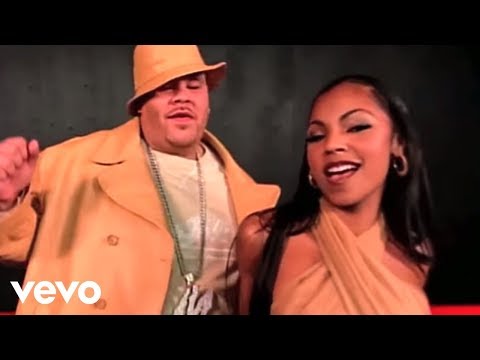
Fat Joe with Ja Rule and Ashanti carries the early-’00s remix peak. The Ashanti vocal is the structural anchor of the song, and the placement honors how the song actually lived on the bridal party’s collective rotation — a song that played at every middle-school-into-high-school transition party in the bride’s geographic cohort, and that still carries the memory of that exact rotation slot. The placement is twenty-five tracks into the rotation; by this point in the pregame, the bridal party has been in the suite for about forty-five minutes, and the rotation has done the work of establishing what the rest of the night is going to feel like.
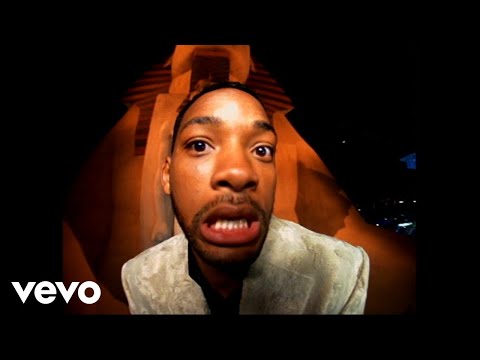
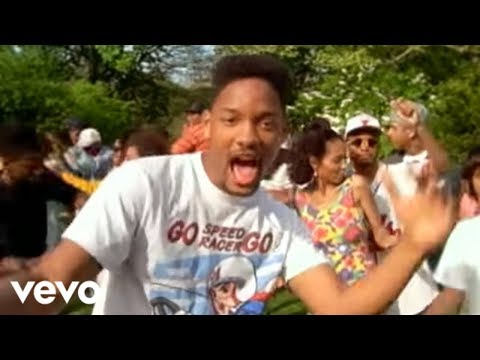
Will Smith “Gettin’ Jiggy Wit It” closes the pregame because it’s the song that signals everyone has thirty minutes to put shoes on and get into the Uber. The Will Smith placement is the structural anchor of the rotation’s closing block — the song’s chorus is functionally a countdown timer, and the bridesmaids respond appropriately. By the time the song ends, the bridal party has put on the going-out outfits, refilled the drinks, and is in the elevator.
Built for the bride, the maids, and the moms who briefly stayed. Works for any pregame where the goal is collective hype, not individual performance. The individual-performance metric is the wrong frame for pregame programming; the rotation’s job is to get the room into a state where the going-out block can take over without the bridal party having had to commit to peak-floor energy in the suite. Hand the phone to the bride. She’ll know when to skip. The rotation respects the bride’s instincts. The rotation has always respected the bride’s instincts. That’s the entire methodology.
Worn & talked about by artists on this playlist
Affiliate · We may earn- Snoop Dogg on vinyl Find on Amazon →
- The Notorious B.I.G. on vinyl Find on Amazon →
- Busta Rhymes on vinyl Find on Amazon →
- Mariah Carey on vinyl Find on Amazon →