
Dance Music #413
Thirty tracks of the 2013 dance-music canon, rebuilt for streaming-era ears with fresh sequencing. The original CD version of this lived on a USB stick that I lost twice and rebuilt three times, eventually getting it to a state where it could survive a phone-to-bluetooth-speaker handoff at any party without breaking the energy. This is that working version. The naming convention (“413”) was the timestamp shorthand — April 2013, when the original USB-stick burn was finalized after about six weeks of nightly sequencing sessions.
Showtek with Justin Prime “Cannonball” opens because that’s the drop that lets the playlist tell the room what it’s about within ninety seconds. The song’s first build is the structural anchor of the entire genre, and the placement at first-track is doing the work of confirming the rotation’s commitment to the big-room mainstage sound rather than the deeper-house side of the year’s catalog. Within the first thirty seconds, anyone in the room who was expecting a different kind of playlist has either committed or excused themselves to the kitchen.
Hardwell featuring Amba Shepherd “Apollo” carries the festival-mainstage-anthem core that defined the year. The Amba Shepherd vocal is the structural moment that separates this cut from the rest of Hardwell’s catalog, and the placement at second-track is doing the work of confirming that the rotation respects the genre’s vocal-anchor convention even when the genre’s reputation suggests it shouldn’t.
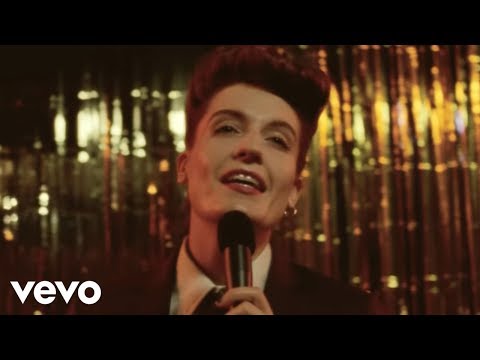
Zedd “Spectrum” with Matthew Koma is the deliberate sequencing into the vocal-EDM territory. The Matthew Koma collaboration is the structural anchor of Zedd’s mid-catalog rotation, and the placement at fourth-track honors how the song actually lived on the genre’s working-rotation in 2013 — a vocal-EDM cut sequenced after the instrumental peaks, not before. Calvin Harris with Florence Welch “Sweet Nothing” is the deliberately-buried highlight — a song that hits harder when it’s not the second track on the list. The Florence Welch vocal lands in a different register than the surrounding rotation, and the placement in the fifth slot is doing the work of giving the song the textural-variant moment it deserves.
Baauer “Harlem Shake” is the inside joke for everyone who remembers the meme. The placement is mid-rotation, deliberately, because the song’s runtime is too short to anchor a sustained block and the contextual joke works better as a brief left-turn than as a structural anchor. The friends who were on Twitter in February 2013 respond appropriately to the placement. The friends who weren’t shrug and let the song pass.
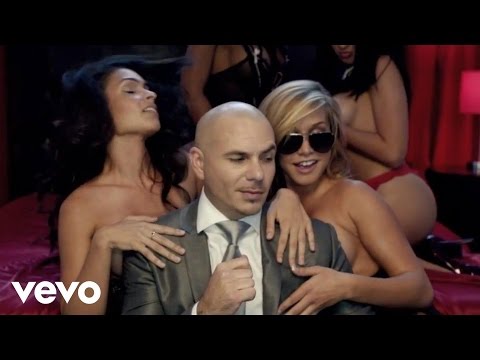
Pitbull “Don’t Stop The Party” with TJR is the radio-pop-EDM crossover anchor — a song that wins every “played at every party I attended that year” bracket. The Pitbull catalog is the genre’s universal-language solvent, and the playlist treats the cut with the respect it has earned across a decade of working-rotation duty. The TJR production is the structural anchor of the song, and the placement at eighth-track is doing the work of pulling the room back into the rotation’s commitment after the Baauer left-turn.
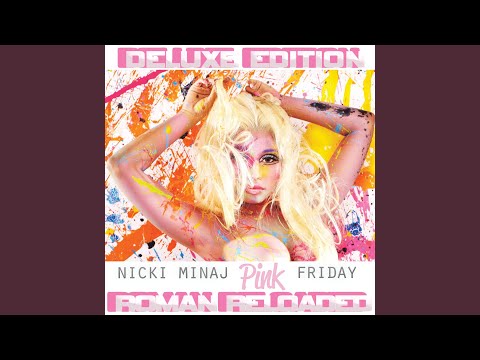
Nicki Minaj “Va Va Voom” lives in there as the pop-rap pivot that breaks up the otherwise-relentless 128-BPM run. The placement is the structural moment where the rotation acknowledges that thirty straight tracks of festival-mainstage tempo would burn the audience out, and the Nicki Minaj cut is doing the work of providing the textural variant that the rotation absolutely requires.
Cazzette “Beam Me Up,” Kaskade with Rebecca & Fiona “Turn it Down,” David Guetta with Taped Rai “Just One Last Time” — that’s the mid-rotation block of the era’s deep-and-melodic-house side. The three-track sequence is deliberately programmed as a sustained genre-commitment, because the deep-and-melodic-house audience responds to a sustained block in a way they don’t respond to scattered single cuts. The Kaskade placement specifically rewards the audience that remembers his catalog from before the festival-mainstage era; the song is sequenced where the deeper-house listeners can recognize the cut without the casual listener having to commit to a sub-genre.
Tiësto with Allure “Pair Of Dice” is the wildcard pull for the heads who remember the early-Tiësto trance years. The placement is the deep-rotation moment that the genre’s longer-running fans specifically respond to — a small piece of advocacy on behalf of an artist whose catalog has been unfairly reduced to the mid-2010s mainstage singles. The Allure vocal is the structural anchor of the trance-era Tiësto rotation, and the placement honors the artist’s full body of work rather than the festival-circuit-only reduction.
Krewella “Alive” is the closer-before-the-cooldown. The song’s tempo is the right energy for the rotation’s transition out of the peak-floor block, and the placement is the structural moment where the audience starts considering the next move. By the time the song ends, the rotation has done about ninety minutes of work and the audience has either committed to a longer night or has started reaching for keys and jackets.
This is the working-rotation tape for someone who attended too many house parties in 2013 and was responsible for the music at half of them. Pitbull is on here unironically. Steve Angello carries the Swedish big-room legacy. The whole thing should land around the two-hour mark, which is about how long it takes to remember why you stopped going to so many house parties. The rotation has been on standby for a decade. It still works when called.
Worn & talked about by artists on this playlist
Affiliate · We may earn- Calvin Harris on vinyl Find on Amazon →
- Pitbull on vinyl Find on Amazon →
- Nicki Minaj on vinyl Find on Amazon →
- David Guetta on vinyl Find on Amazon →
- Tiësto on vinyl Find on Amazon →
- Alesso on vinyl Find on Amazon →