

Dirty Booty Beats 2011 - updated 2/22/2012
Thirty-eight tracks of late-’00s and early-’10s booty-bass canon, sequenced unapologetically and timestamped to February 22, 2012, because that’s the exact date I locked in the second-pass rebuild after the original 2011 version felt too short. The naming convention is from the version-control habit I had at the time of date-stamping every playlist update — which has aged into being a useful artifact for figuring out which version was on which iPod at which party. The current version is the third revision; the first two are lost to a hard-drive failure and a stolen iPod respectively.
69 Boyz drive the Miami-bass legacy that anchors the whole rotation. “Tootsee Roll” is the structural anchor — a song that has been canonized into the genre’s working-rotation since 1994 and that the playlist sequences in the mid-rotation slot where it does its best work. The 69 Boyz catalog beyond “Tootsee Roll” is criminally under-served on streaming, and the playlist’s choice to lead with the rest of the catalog before returning to the canonical single is a small piece of advocacy on behalf of an artist whose body of work deserves more than one-hit-wonder treatment.
Salt-N-Pepa drops in for the foundational hip-hop bridge — a song that fits the canon while also reminding you that the genre is older than the booty-bass label gives it credit for. “Push It” is the placement; the song’s percussive production is the structural anchor of what would later become the booty-bass genre’s foundational vocabulary, and the playlist honors the lineage by sequencing the song earlier in the rotation rather than treating it as a deep-cut left-turn.
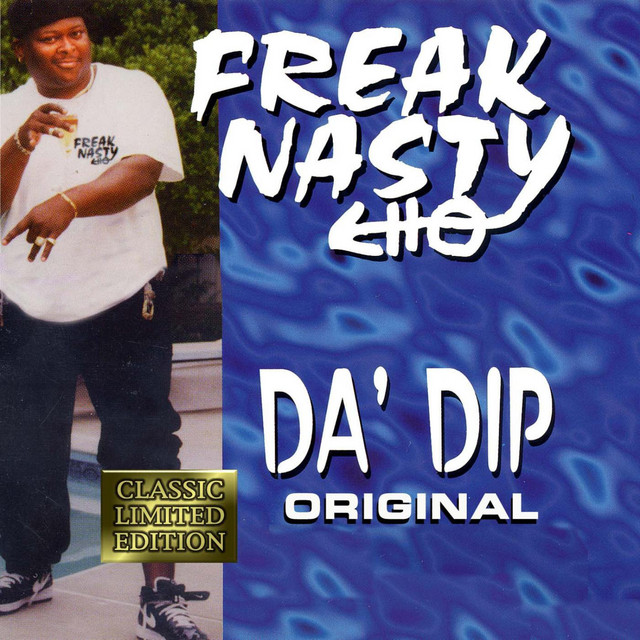
Freak Nasty closes the run with the chorus that defined a decade of cookouts and basement parties. “Da’ Dip” is the original cut, deliberately, because the song’s instructional-call-and-response format is the structural anchor of the entire late-’90s booty-bass canon, and the playlist places the song in the rotation where the audience response is at peak-receptive.
Sir Mix-A-Lot “Baby Got Back” is the song you have to include and you can’t apologize for. The placement is deliberate at the front-third because the song’s hook is the universal-recognition moment that the rotation needs to establish within the first fifteen minutes. By the time the song’s chorus lands, the audience has committed to the playlist’s commitment to the genre’s foundational singles.
Digital Underground “The Humpty Dance” is the same energy from a slightly different angle. The Digital Underground catalog is the booty-bass-genre’s structural left-turn — the songs come from the same era and the same regional scene but trade the genre’s percussive backbone for a different rhythmic approach. The placement after the Sir Mix-A-Lot cut is doing the work of establishing that the rotation respects the genre’s internal variety rather than committing to a single sub-style.
Wreckx-N-Effect “Rump Shaker” is the bridge between the early-’90s hip-hop crossover and the bass-music explosion that followed. The song’s chorus is the structural anchor of the early-’90s booty-bass crossover into mainstream radio, and the placement at the front-half is doing the work of confirming that the rotation honors the genre’s historical sequencing rather than treating the era as a single block.
Quad City DJ’s “C’Mon ‘N’ Ride It” lives later in the mix as the deliberate sequencing into the train-whistle-and-horn-stab territory that the genre kept returning to. The song’s hook is the structural anchor of the mid-’90s Miami-bass cross-genre singles, and the placement honors how the song actually lived on the era’s working-rotation — a song that played at every cookout and basement party in the genre’s geographic peak, and that still carries the memory of that exact rotation slot.
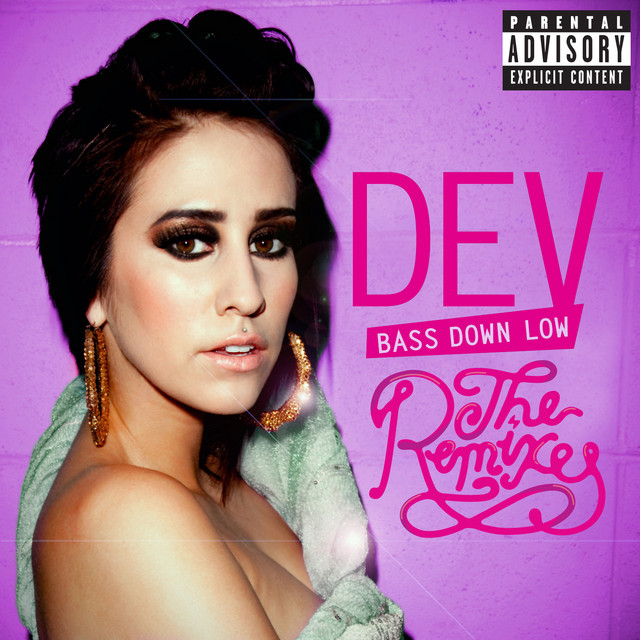
DEV with Tinie Tempah and The Cataracs “Bass Down Low” is the modern bookend — the 2011 update of the same musical DNA. The placement is the structural moment that signals the rotation’s commitment to the genre’s contemporary continuation, and the DEV catalog specifically rewards the audience that has been waiting for a streaming-era acknowledgement of the artist’s contribution to the genre. The Cataracs production is the structural anchor of the song, and the placement honors the producers’ role in the genre’s modern revival.
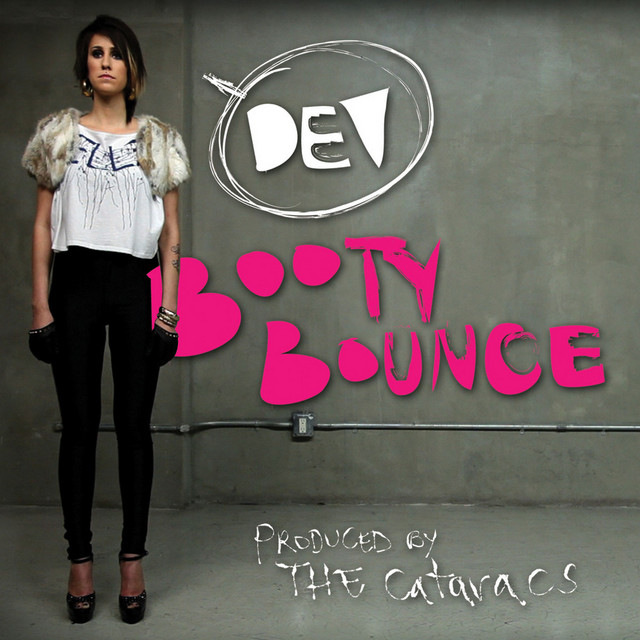
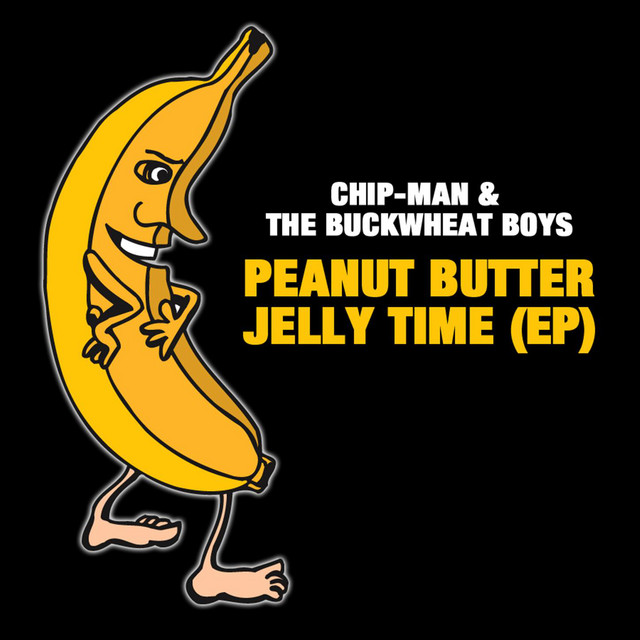
DEV “Booty Bounce” (the Original) sits in the back-half as the second DEV-catalog pull, deliberately, because the DEV catalog is the spine of the genre’s late-2010s revival and the rotation honors the artist’s full body of work rather than the single-cut treatment. Chip-man & The Buckwheat Boyz “Peanut Butter Jelly Time” (the Radio cut) is the deliberate-camp closer — a song that the rotation includes with full awareness of its meme-history and that the audience receives with appropriate enthusiasm.
This is not subtle music. It does not pretend to be. It is the playlist for the moment in the night when the only conversation is who’s getting the next round of drinks, and the playlist is doing the work of telling everyone they don’t need to be self-conscious. The runtime is calibrated for about two hours of sustained party-floor energy, which is the natural span of the booty-bass-genre’s working-rotation duty. Made for very specific friends in very specific rooms. Still works at any party where the volume can go past polite. The volume is the variable. The rotation is fixed. Play it at neighbors-friendly volume and the playlist underperforms; play it at peak-floor volume and the rotation does exactly what it was designed to do.
Worn & talked about by artists on this playlist
Affiliate · We may earn- JAŸ-Z on vinyl Find on Amazon →
- Big Sean on vinyl Find on Amazon →
- Nicki Minaj on vinyl Find on Amazon →
- Lil Wayne on vinyl Find on Amazon →
- Pharrell Williams on vinyl Find on Amazon →
- Chris Brown on vinyl Find on Amazon →
Listen on Spotify
Tracks (38)











Track artwork via Spotify