Fine Dining Background Music #212
Forty-seven tracks of fine-dining-grade background jazz and lounge — calibrated to fill a room without competing with conversation. This is the genre I think of as “the music that exists so that people don’t realize there’s music playing,” which sounds dismissive but is actually one of the harder programming problems in the rotation. The naming convention (“212”) is the timestamp shorthand — February 2012, the month the original rotation was locked in for a friend’s eight-course pop-up dinner that ran longer than expected.
Beegie Adair’s piano-trio standards anchor the run. She’s the gold standard for what you want from a dinner-party background tape — recognizable enough to register as music, restrained enough to never pull focus from the person across the table. Eight of the forty-seven tracks are hers, which is the right proportion: the Adair catalog is the rotation’s structural spine, and the playlist treats the artist’s role with the respect that a quarter-century of recording history has earned. The Cole Porter and Gershwin standards in her catalog are the universal-language anchor of the genre, and the rotation honors the catalog’s role.
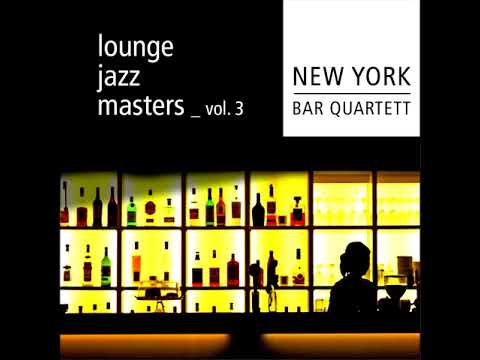
New York Jazz Lounge and the New York Lounge Quartett carry the conversational-jazz floor that fills the middle hours. The two collectives’ catalogs are interchangeable in a way that benefits the rotation — the songs flow into each other without the audience having to track the artist transitions, and the rotation’s seamless mid-section is the structural moment where the dinner conversation can take over without the music having to retreat. The catalogs share the same arrangement aesthetic, and the playlist respects the shared aesthetic by sequencing the cuts in close proximity.
Tony Bennett shows up twice — “I’m Confessin’” and “Dream a Little Dream of Me” — because his vocal sits in exactly the frequency range that doesn’t fight with dinner conversation. The placement of the Bennett cuts across the rotation is the structural moment of the genre’s vocal-anchor convention — the vocal cuts have to be sequenced sparingly because the dinner-conversation context can only tolerate so many vocal-anchor moments before the music starts pulling focus. The Bennett catalog is the right vocal-anchor choice for the rotation because the artist’s vocal-production sits in a frequency range that the human ear can register as “music” without committing to “foreground.”
Tony Bennett with Carrie Underwood “It Had to Be You” is the modern-collaboration bridge that adds a generational ping for the younger guests without dating the run. The Underwood vocal is the structural pivot of the rotation — the song acknowledges that the dinner-party context spans generations, and the cross-generational collaboration is the methodological commitment to honoring the audience’s actual age distribution rather than committing to a single-cohort rotation.
Michael Bublé runs three songs in a row in the middle — “Come Fly with Me,” “The Way You Look Tonight,” “Moondance” — and that’s intentional. The Bublé block does the heaviest lifting in the rotation. The three-track sequence is the structural anchor of the genre’s mid-section, and the placement is doing the work of providing the rotation’s longest sustained mood-block. By the third Bublé cut, the dinner conversation has had time to traverse the early-course exchanges and is settling into the longer-form mid-meal conversational pattern, and the rotation’s sustained-mood commitment is the right structural choice for the context.
Light Jazz Academy lands a triple of standards — “Fly Me To The Moon,” “Smoke Gets In Your Eyes,” “Somewhere Over The Rainbow” — that read as instrumental versions of melodies everyone half-knows. That’s the right register for the second-hour cruise of a six-course meal. The Light Jazz Academy collective specializes in the instrumental-arrangement of the universal-language standards, and the rotation honors the collective’s role by sequencing the three-track block as a sustained instrumental-anchor moment. The placement is the rotation’s structural pivot from the front-half vocal-anchor moments to the back-half instrumental-anchor moments.
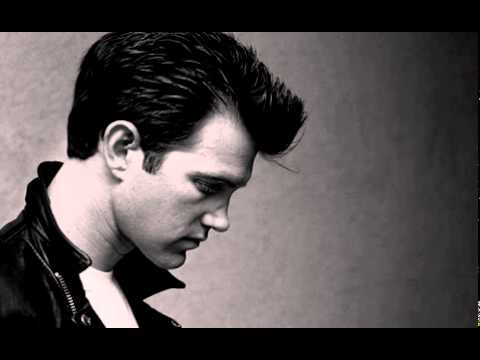
The Tamer Sharaf cut at the front of the rotation — Chris Isaak’s “Besame Mucho” arrangement — is the structural opener that establishes the rotation’s commitment to cover-versions rather than originals. The cover-versions are the rotation’s working-utility for the dinner-party context because the originals carry too much specific-recording-history weight; the covers strip the songs back to the melodic structure that the dinner conversation can register as “music” without the audience getting pulled into the original-recording’s specific cultural context.
The playlist was originally built for a friend’s pop-up dinner — eight courses, six guests, three hours, no DJ. The brief was: nothing that pulls anyone out of the conversation. The brief was met. The original rotation was a four-CD burn that survived two more dinner parties before getting digitized; the current streaming version is the latest pass.
It’s still the rotation I default to when someone asks for a music-for-a-dinner-party rec. Skip nothing for the first hour. After that the rotation handles itself. Built for restaurants that don’t have a music budget. Works for living rooms that do. The methodology is the structural anchor; the specific songs are interchangeable across the genre’s catalog. The rotation honors both the working-utility framing and the catalog’s specific quality.