
Happy Cinco de Mayo! #512
Fifty-one tracks of Cinco de Mayo cookout fuel, refreshed for streaming-era listening. The original was a single-CD burn that I had to keep replacing every couple of years because the kids would scratch it; the streaming version is the format that finally let the rotation get long enough to last an entire afternoon-into-evening without anyone touching the playlist. The naming convention (“512”) is the timestamp shorthand — May 2012, when the original rotation was first burned and the annual tradition was formalized into a working tape that survived multiple format migrations.
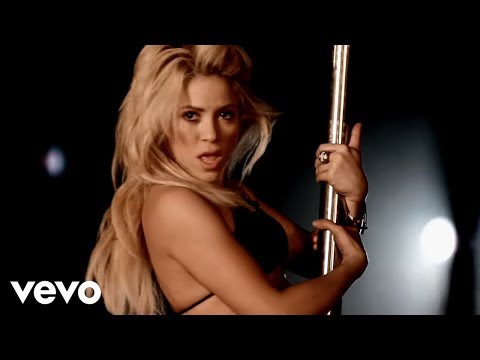
Shakira opens the radio-pop bridge between Latin-pop and the global Top 40. The “La Tortura” cut with Alejandro Sanz is the structural opener of the rotation, deliberately, because the song’s chorus is the universal-recognition moment that establishes the playlist’s commitment to honoring the bilingual-pop rotation rather than committing to a single language. Within the first ninety seconds, the cookout audience has registered that the rotation is going to traverse the Latin-pop catalog without isolating into Spanish-only or English-only blocks. The playlist’s methodological commitment is to honor the bilingual cookout reality rather than the genre-marketing convention.
Don Omar carries the reggaeton anchor through the front-half spine. The Don Omar catalog is the rotation’s structural backbone for the reggaeton-side commitments, and the playlist treats the artist’s role with the respect that the genre’s foundational figure has earned. The placement is across the rotation rather than clustered — the Don Omar singles are sequenced at the structural-anchor moments of the rotation’s first hour, providing the genre’s working-rotation continuity without committing the entire front-half to a single sub-genre.
Gipsy Kings — who don’t show up here but absolutely could — set the genre expectation for the rumba-flamenco classic block; instead I went with the slightly-less-obvious Sergio Mendes and Brazil 66 “Mas Que Nada” pull, because the Mendes version is the song that signals “this is for everyone,” not “this is for the people who already know the playlist.” The Mendes catalog is the rotation’s cross-generational bridge — a song that the older guests recognize from the era’s actual radio rotation and that the younger guests respond to as the genre’s universal-recognition entry point. The placement honors the song’s role as the rotation’s structural pivot from the Spanish-language commitments to the broader Latin-rotation context.
Michel Teló “Ai Se Eu Te Pego” opens the catalog’s deeper-rotation block because it’s the song that gets every age in the family to sing the chorus, including the kids who don’t know any other Portuguese. The song’s chorus is functionally an invitation for the entire cookout to commit to the rotation without having to be asked. The placement at the front-third is doing the work of establishing the rotation’s cross-language commitment — by the time the song lands, the cookout has acknowledged that the rotation is going to traverse Spanish, Portuguese, and English without committing to a single language.
Gloria Estefan with the Miami Sound Machine “Conga” is the universal-language wedding-and-cookout staple that I refuse to apologize for. The placement is the structural anchor of the rotation’s middle section — the song’s chorus is the universal-recognition moment that the cookout’s full guest list responds to without needing translation. The Estefan catalog is the genre’s cross-Atlantic bridge — a Cuban-American artist whose catalog defined the late-’80s-into-early-’90s Latin-pop crossover, and the playlist honors the catalog’s role.
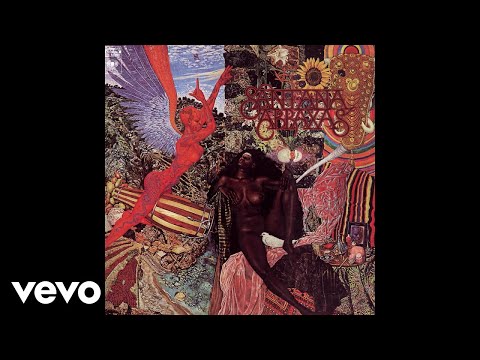
Santana “Oye Como Va” is the deliberate sequencing into the rock-Latin-fusion territory that pulls in the older guests. The placement is the rotation’s structural pivot from the contemporary pop-radio commitments to the legacy-rotation block — the older guests respond to the Santana catalog’s role in the late-’60s-into-early-’70s rock-Latin-fusion era, and the placement is doing the work of acknowledging the audience’s full age distribution.
Tito Nieves “I Like It Like That,” La Sonora Dinamita “A Mover La Colita,” Banda La Bocana — that’s the middle-third Latin-dance block, the floor-fillers that the cookout actually needs. The block is deliberately sequenced as a sustained genre-commitment because the Latin-dance audience responds to a sustained block in a way they don’t respond to scattered single cuts. The La Sonora Dinamita placement specifically rewards the audience that knows the genre’s cumbia-and-merengue convention — the song is doing the work of providing the floor-filler moment that the cookout’s mid-afternoon dance-block absolutely requires.
Abel Levasseur “Merengues en Reserva III” is the deliberate wildcard, a long-form merengue run that the playlist can ride for ten minutes when nobody’s paying attention to the music and the conversation has migrated to the patio. The placement is the rotation’s structural moment of acknowledging that the cookout’s energy ebbs and flows across the afternoon, and the long-form merengue cut is doing the work of providing the rotation’s longest sustained-mood block.
Programmed for the backyard Cinco de Mayo party I host most years — about thirty people, a smoker on the patio, kids running through the sprinkler. The rotation’s runtime is calibrated for the natural span of the cookout — roughly three hours from the first-guest arrival through the late-afternoon dispersal — and the sequencing respects the cookout’s energy arc rather than committing to a single tempo register. Doesn’t pretend to be a representative tape of Mexican or Latin music. It’s the cookout tape for friends who don’t speak Spanish, sequenced by someone who also doesn’t. Honest about what it is. Honest about who it’s for. The methodology is the structural anchor.