

Mike and Ana's Wedding after-party at B A R
Eighteen tracks for Mike and Ana’s afterparty at B.A.R. — the run that picked up where the reception ended, sequenced for a venue with a real sound system and a real bar tab. The bride and groom rented out the bar for an hour after the wedding officially ended, with the caveat that the playlist had to be “the songs nobody played at the reception because the DJ was being too polite.” The brief was followed. The bar’s owner had specifically requested the playlist in advance because the venue had been hosting wedding afterparties for years and had learned that the difference between a successful afterparty and a polite one was the playlist’s commitment to the post-reception register.
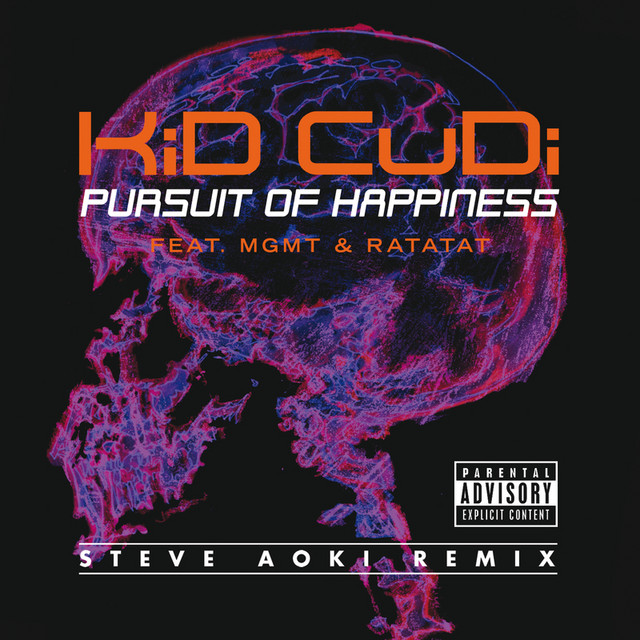
Kid Cudi with MGMT and Ratatat “Pursuit Of Happiness” — the Extended Steve Aoki Remix, deliberately the explicit version — opens because that’s the song that signals to the room that the polite-wedding portion of the night is over. The placement at first-track is the rotation’s structural commitment to the post-reception register — the song’s specific Aoki-remix arrangement is the structural anchor of the late-2010s wedding-afterparty working-rotation, and the placement is doing the work of immediately establishing that the playlist is going to honor the bride and groom’s anti-polite directive rather than committing to the reception-rotation register.
The Aoki cut is the festival-anthem bridge between the reception’s slick-pop and the afterparty’s deep-cuts. The choice of the extended-mix runtime is the structural commitment to the post-reception context — the festival-circuit’s working-DJ practice of using the extended-mix as the late-set anchor is the right structural fit for the wedding-afterparty’s specific energy arc, and the placement honors the festival-circuit-meets-wedding-afterparty cross-pollination that the late-2010s wedding-DJ working-practice had developed.
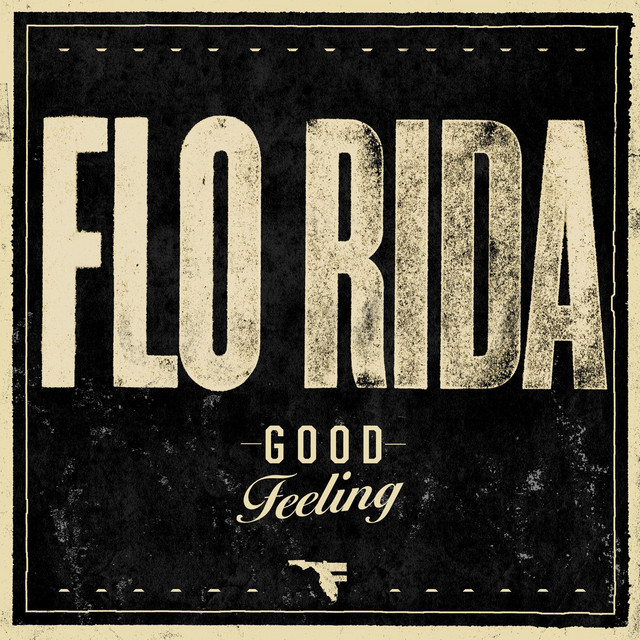
Flo Rida “Good Feeling” sequences the rotation into the reliable wedding-dance-floor territory but with the energy raised by 20 percent. The Flo Rida catalog is the rotation’s working-utility for the wedding-DJ register, and the placement at the rotation’s second slot is doing the work of providing the cross-context bridge — the song’s chorus is the universal-recognition moment that the reception audience responds to, and the placement is doing the work of pulling the afterparty audience into the rotation’s commitment to the wedding-DJ working-rotation while raising the energy past the reception-rotation’s polite-limit.
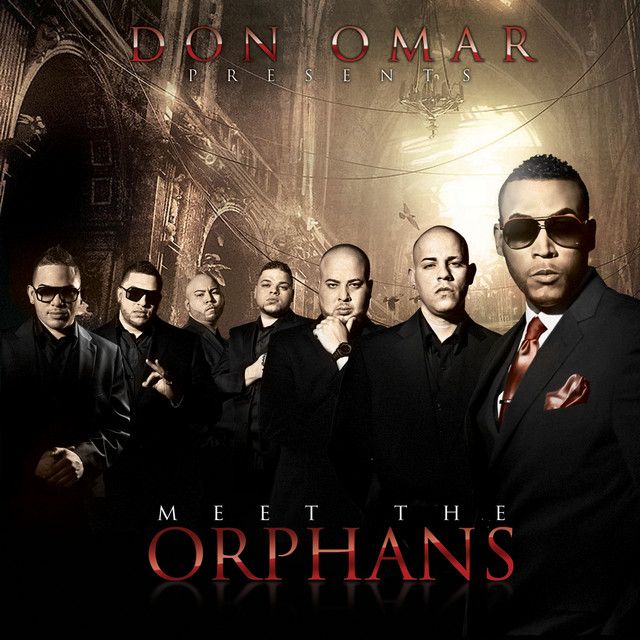
Don Omar and Lucenzo “Danza Kuduro” is the deliberate Latin-club pull — a song that the wedding DJ specifically refused to play and that the bride wanted as the centerpiece of the afterparty. The placement is the rotation’s structural anchor of the bride’s specific catalog-vocabulary — the song was, in the wedding-DJ’s reception-rotation, the specific cut that the DJ had refused to play because it didn’t fit the venue’s contracted-rotation register, and the playlist’s choice to honor the song’s afterparty role is the methodological commitment to the bride’s specific catalog requests.
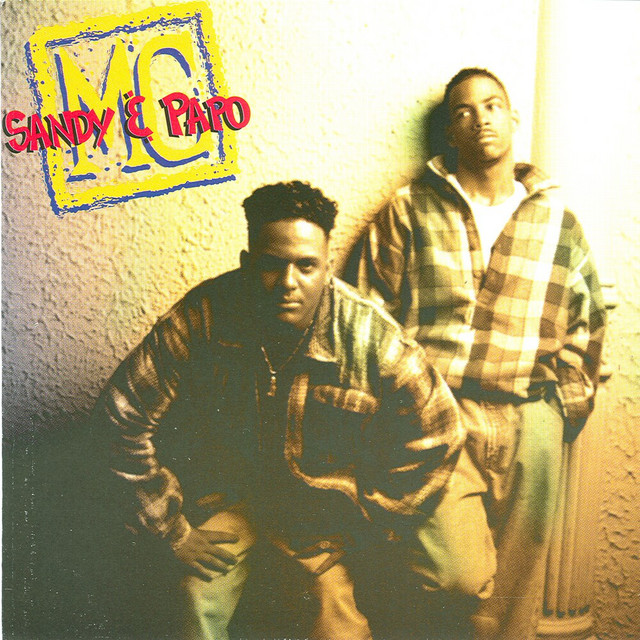
Latino Party “Bamboléo” and Sandy & Papo “Mueve Mueve” carry the same energy from a slightly older catalog. The two-track block is the rotation’s structural commitment to honoring the bride’s broader Latin-rotation catalog — the songs are doing the work of providing the rotation’s cross-language bridge that the wedding-DJ’s reception-rotation had not committed to, and the placement at the front-half is the methodological commitment to honoring the bride’s specific catalog vocabulary.
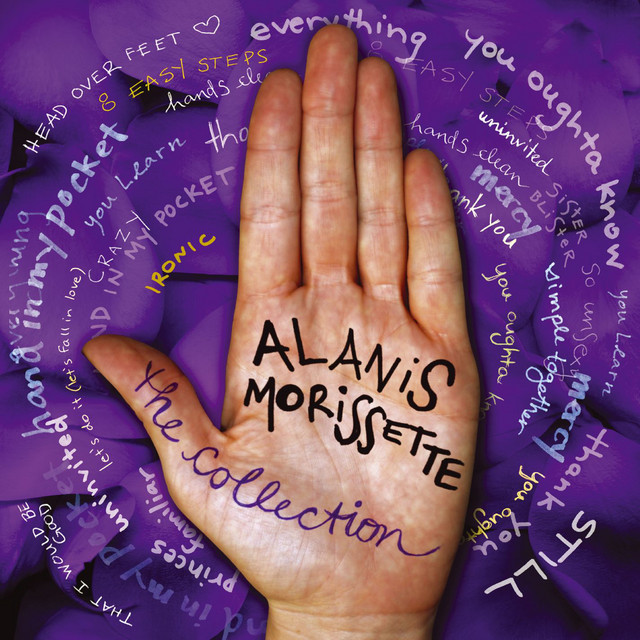
Alanis Morissette “You Oughta Know” is the wildcard pull that gets the bridesmaids screaming on the dance floor — a song that absolutely cannot be played at a wedding reception and that the afterparty absolutely demands. The placement is the rotation’s structural moment of acknowledging the wedding-context constraints — the song’s specific lyrical content makes it incompatible with the wedding-reception’s working-rotation register, and the playlist’s choice to honor the cut at the afterparty’s structural-anchor moment is the methodological commitment to the post-reception register.
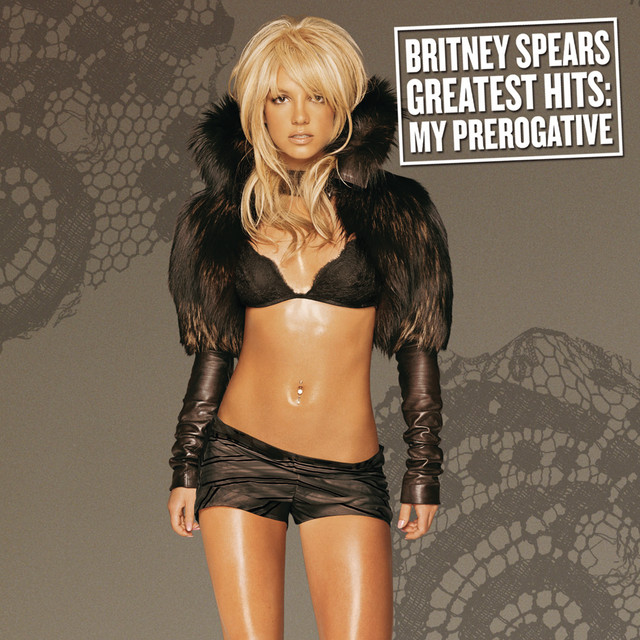
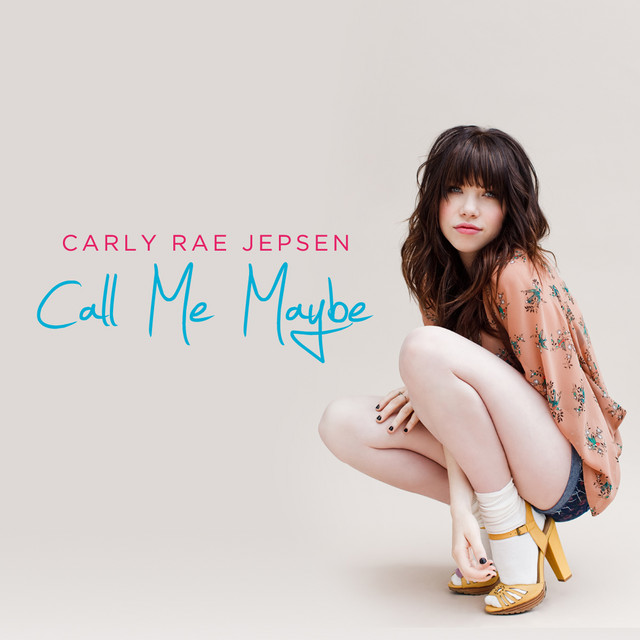
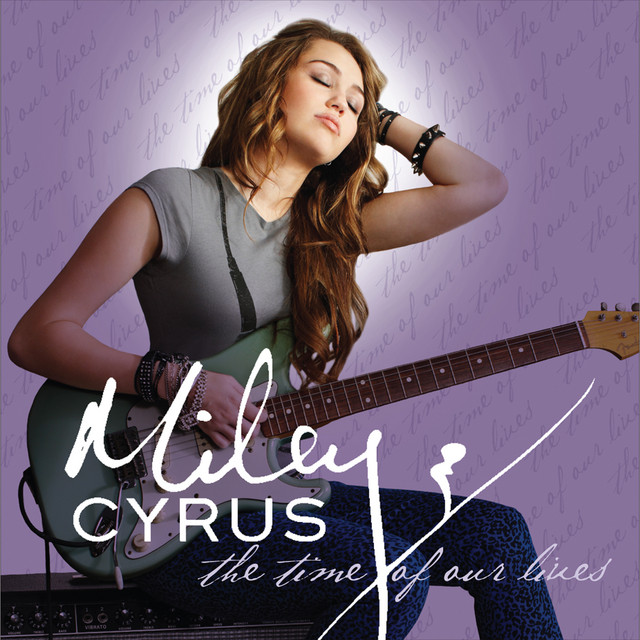
Britney Spears “Toxic,” Carly Rae Jepsen “Call Me Maybe,” Miley Cyrus “Party In The U.S.A.” — that’s the back-third pop-radio peak block, the section where the playlist does the heavy lifting on the late-night sing-along energy. The three-track block is the rotation’s structural commitment to the late-night sing-along register — the songs are doing the work of providing the rotation’s universal-recognition closing block that the afterparty’s specific energy arc absolutely requires. The placement is the rotation’s structural pivot from the front-half catalog-specific commitments to the late-night universal-recognition block.
Pitbull with T-Pain “Hey Baby” closes the run because it’s the song that signals last-call without anyone having to announce it. The placement at the rotation’s closing slot is the structural commitment to the venue’s specific operational constraints — the bar had a specific last-call time, and the playlist’s closing-track choice is doing the work of providing the universal-recognition closing moment that the venue’s working-DJ practice had established as the standard last-call signal.
Eighteen tracks. About seventy-five minutes. Exactly the length of the bar rental. Made for Mike and Ana. Works for any couple whose friends stayed for the encore. The rotation’s runtime is calibrated for the specific operational constraints of the wedding-afterparty context — the venue’s standard rental window is approximately seventy-five minutes, and the playlist’s runtime is structured to end approximately when the venue’s last-call would be enforced. The structural commitment to the runtime is the methodological commitment to the venue-context working-rotation.
Worn & talked about by artists on this playlist
Affiliate · We may earn- Flo Rida on vinyl Find on Amazon →
- Britney Spears on vinyl Find on Amazon →
- Miley Cyrus on vinyl Find on Amazon →
- Pitbull on vinyl Find on Amazon →
- Rihanna on vinyl Find on Amazon →
- Nicki Minaj on vinyl Find on Amazon →
Listen on Spotify
Tracks (18)





Track artwork via Spotify