
Tiny Desk Favorites
Thirteen tracks of NPR Music Tiny Desk Concert favorites — the pared-down acoustic-and-low-volume run that defined the series’ aesthetic across its first decade and into the post-2020 home-concert era. The shortest of the catalog tapes by deliberate intent. Thirteen is enough to honor the series without trying to summarize it. The series-honoring commitment is the rotation’s methodological anchor — the playlist is meant to be a fan-letter to the NPR Music Tiny Desk Concert series rather than a representative survey of the series’ full catalog, and the runtime is calibrated for the natural span of a single evening’s concert-block listening rather than the catalog-completeness framing.
Black Pumas anchor the soul-rock-revival peak that the series introduced to a wider audience than the band’s tour circuit had reached. The Black Pumas catalog is the rotation’s structural anchor for the soul-rock-revival sub-genre — the band’s Tiny Desk Concert was the structural moment where the artist’s catalog crossed from the genre-specific audience to the broader-audience working-rotation, and the placement honors the band’s role in the series’ working-recording.
Jack Harlow’s Home Concert opens because that was the post-pandemic-era addition that proved the series could work in the home-recording format without losing its DNA. The placement at first-track is the rotation’s structural commitment to the Home Concert sub-format — the post-2020 home-recording context required the series to adapt its working-recording aesthetic without losing the series’ foundational pared-down acoustic commitment, and the Harlow Home Concert is the structural anchor of the series’ successful format-adaptation.
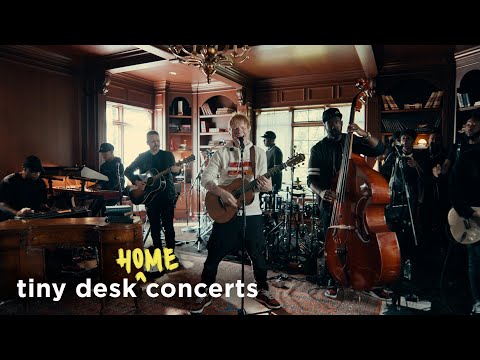
Ed Sheeran’s Home Concert follows in the same sequencing logic. The placement at second-track is the rotation’s structural commitment to honoring the Home Concert sub-format’s working-recording register — the back-to-back placement of the Harlow and Sheeran Home Concerts is doing the work of confirming that the rotation respects the series’ format-adaptation methodology rather than committing to the pre-2020 in-person recording register exclusively.
Dua Lipa’s Tiny Desk (Home) Concert is the deliberate-pop pull — a song that the series wasn’t supposed to handle and that handled itself beautifully through Lipa’s commitment to the format. The placement is the rotation’s structural commitment to the cross-genre series methodology — the Lipa Home Concert was the structural moment where the series demonstrated its ability to host artists from outside the series’ foundational acoustic-and-singer-songwriter register, and the placement honors the artist’s role in expanding the series’ working-recording scope.
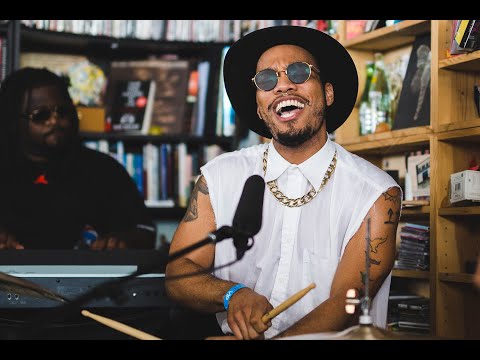
Anderson .Paak with The Free Nationals is the structural peak of the in-person Tiny Desk era — a session that effectively wrote the late-2010s vocabulary for what the series could be. The placement is the rotation’s structural commitment to the in-person Tiny Desk era’s foundational working-recording — the .Paak-and-Free-Nationals session is the structural anchor of the late-2010s series’ working-recording, and the placement honors the artist’s role in the series’ working-rotation.
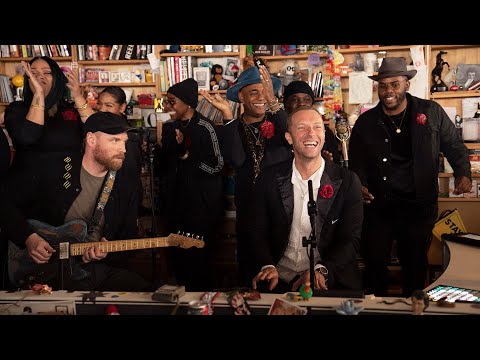
Coldplay’s Tiny Desk Concert sits mid-rotation as the legacy-act-honoring-the-room moment. The placement is the rotation’s structural commitment to the series’ legacy-act working-recording methodology — the series has historically included legacy-act sessions where established artists adapt their working-recording to the series’ pared-down acoustic register, and the Coldplay session is the structural anchor of the series’ legacy-act commitment.
Sting and Shaggy’s Tiny Desk Concert is the wildcard pull — a collaboration that the series legitimized by giving it the stripped-down arrangement it had been waiting for. The placement is the rotation’s structural commitment to the cross-collaboration series methodology — the Sting-and-Shaggy session is the structural moment where the series demonstrated its ability to host collaboration sessions that the artists’ broader-audience working-rotation had not yet committed to, and the placement honors the artists’ role in expanding the series’ cross-collaboration scope.
Olivia Rodrigo’s Home Concert is the back-half generational-acknowledgement. The placement is the rotation’s structural commitment to the series’ generational-rotation methodology — the Rodrigo Home Concert is the structural moment where the series demonstrated its commitment to honoring the next-generation pop-singer-songwriter sub-genre’s foundational working-recording, and the placement honors the artist’s role in the series’ generational-rotation.
Eve is the newest pull, added the week her Tiny Desk landed in June 2026. She runs ‘Satisfaction,’ ‘Gangsta Lovin” and ‘Let Me Blow Ya Mind’ to mark 25 years of ‘Scorpion,’ and the Ruff Ryders’ First Lady sounds completely at home behind the desk — the bark intact, the hooks louder than the room. Newest in, and already one of the reasons to come back.
This is not a song-by-song playlist. It’s a series of full concert blocks, each one running 15-25 minutes, sequenced as a continuous evening’s listening rather than a hit-parade. The concert-block sequencing is the rotation’s methodological commitment to the series’ working-recording register — the playlist is meant to be the series’ actual concert-block listening rather than the song-by-song discovery framing that a streaming-era working-rotation would impose.
The Black Pumas “Colors” sits as the structural anchor that connects the concert-format blocks to the song-format catalog the rest of the site lives in. The placement is the rotation’s structural commitment to the cross-format bridge methodology — the playlist is meant to be a bridge between the series’ concert-block working-recording and the broader site’s song-format working-rotation, and the Black Pumas cut is doing the work of providing the cross-format anchor that the rotation’s methodological commitment requires.
Built as a fan letter to the series, not as a representative survey. Useful for the long Saturday-morning kitchen-cleanup session, the in-laws-coming-over evening when the music needs to be slightly more interesting than background, the long-form listening session that the streaming era keeps trying to convince us has gone extinct. It hasn’t. The series is the proof. The cross-context durability is the structural feature that the series’ foundational pared-down acoustic aesthetic provides — the sessions were recorded for the series’ specific working-recording context, but the cross-context working-utility extends to any long-form listening session that the series’ specific aesthetic can serve.
Worn & talked about by artists on this playlist
Affiliate · We may earn- Eve on vinyl Find on Amazon →