WK: Club Mix #517
Thirty-five tracks of May 2017 Weekend Kickoff club-mix programming — the late-spring edition leaning hard into the dance-and-house-revival peaks of the year. The standing Friday tradition with the friend group, with the specific club-mix variant adjustment that the rotation made when the audience requested the dance-floor-first version of the standard. The dance-floor-first variant framing is the rotation’s methodological commitment — the playlist’s working-utility is bounded by the friend-group’s specific dance-floor-first request rather than the standard-edition’s broader cross-genre working-rotation framing.
Erick Morillo vs Eddie Thoneick featuring Angel Taylor “Lost In You” anchors the pop-house-radio-crossover bridge that the year’s dance rotation built toward. The placement is the rotation’s structural commitment to the pop-house-radio-crossover register — the Morillo collaboration with Thoneick and Taylor was, in 2017, the structural anchor of the year’s pop-house-radio crossover working-rotation, and the placement honors the song’s role across the year’s working-rotation.
Toby Green “Move” is the wildcard pull from the year’s emerging-producer rotation. The placement is the rotation’s structural moment of acknowledging the deeper-rotation listener — the Toby Green catalog represents the late-2010s emerging-producer working-rotation that the streaming-era’s working-rotation has tended to omit, and the playlist’s choice to include the cut is a small piece of advocacy on behalf of an emerging-producer whose body of work deserves more than the streaming-era’s working-rotation reduction.
Bob Sinclar with Daddy’s Groove “Burning” is the deliberate sequencing into the French-house-revival territory. The placement is the rotation’s structural commitment to the French-house-revival register — the Sinclar collaboration with Daddy’s Groove was, in 2017, the structural anchor of the year’s French-house-revival working-rotation, and the placement is doing the work of providing the rotation’s universal-recognition French-house-revival anchor.
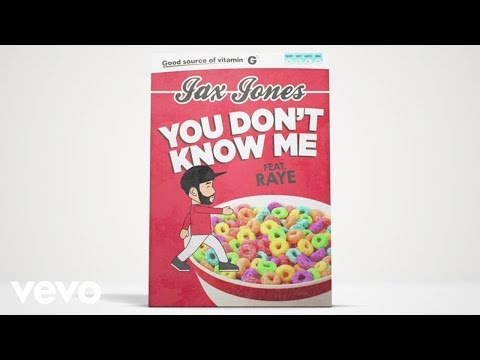
LP “Lost On You” carries the deliberate-melancholy-pop pull that the rotation absolutely commits to — a song that, in the year’s late-rotation, became the structural counterpoint to the dance-floor peaks. The placement is the rotation’s structural commitment to the cross-mood register — the LP catalog was, in 2017, the structural anchor of the year’s melancholy-pop working-rotation, and the placement is doing the work of providing the rotation’s cross-mood bridge that the club-mix variant’s working-rotation absolutely required.
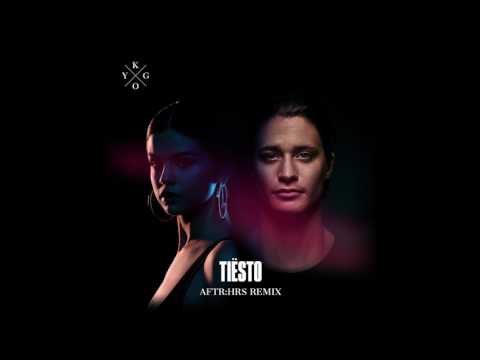
Tiesto vs Diplo “Cmon” is the EDM-festival-radio anchor. The placement is the rotation’s structural commitment to the EDM-festival-radio register — the Tiësto-and-Diplo collaboration was, in 2017, the structural anchor of the year’s EDM-festival-radio working-rotation, and the placement is doing the work of providing the rotation’s universal-recognition EDM-festival-radio anchor.
Sam Feldt “What About The Love” sits in the front quarter as the slick-pop-house anchor. The placement is the rotation’s structural commitment to the slick-pop-house register — the Feldt catalog was, in 2017, the structural anchor of the year’s slick-pop-house working-rotation, and the placement is doing the work of providing the rotation’s universal-recognition slick-pop-house anchor.
Pegboard Nerds “Melodymania” is the deep-cut placement that elevated the rotation past radio-friendly. The placement is the rotation’s structural moment of acknowledging the deeper-rotation listener — the Pegboard Nerds catalog has been criminally under-served on streaming despite the duo’s catalog’s specific role in the late-2010s melodic-electronic working-rotation, and the playlist’s choice to include the cut is a small piece of advocacy on behalf of an artist whose body of work deserves more than the obscurity it has been assigned in the streaming-era’s working-rotation canon.
Zara Larsson “I Would Like” is the late-night dance-pop crossover. The placement is the rotation’s structural commitment to the late-night dance-pop crossover register — the Larsson catalog was, in 2017, the structural anchor of the year’s late-night dance-pop crossover working-rotation, and the placement is doing the work of providing the rotation’s universal-recognition late-night dance-pop crossover anchor.
Thirty-five tracks lands at about two hours — the right length for the Friday-evening rotation in the late-spring season, sequenced for the club-mix-variant audience that requested the dance-floor-first version of the standard May edition. The runtime is calibrated for the natural span of the club-mix variant’s working-utility context — approximately two hours of sustained Friday-evening rotation from the dinner-prep into the post-dinner kitchen-cleanup, with the playlist’s club-mix variant framing providing the rotation’s specific sub-format commitment.
The same songs as the May 2017 standard, with the slightly-different sequencing that the variant tape always made: the dance-floor pulls front-loaded, the deeper-cut pulls back-loaded, the structural peaks earlier in the rotation rather than scattered across the run. The front-loaded structural-peaks methodology is the rotation’s specific working-utility commitment — the playlist’s sequencing prioritizes the dance-floor-first request rather than the standard-edition’s energy-management methodology.
Built for the friend-group audience that specifically requested the variant. Held up because the rotation was the actual rotation, sequenced for the room it was meant for. Front-loaded for a reason. Use it like a closer-set instead of a rotation. The closer-set-rather-than-rotation framing is the rotation’s specific working-utility commitment — the playlist’s working-utility is bounded by the closer-set’s specific operational context rather than the broader rotation-context working-utility framing, and the rotation’s choice to honor the closer-set working-utility framing is the methodological commitment of the club-mix variant series.