
D & L Wedding Reception Mix
Seventy-eight tracks for D and L’s reception — the proper full-arc run from the cake-cutting through the last-call. Made for the wedding I helped DJ for two close friends, which means I knew the room and the family and which uncle was going to request “Sweet Caroline” twice within the first hour. The playlist plans for him. The playlist plans for everyone. The reception-list is the most demanding tape in the rotation because the audience has the highest expectation-cost — wedding-DJ failures get remembered for years, and the playlist is the structural defense against the failure modes.
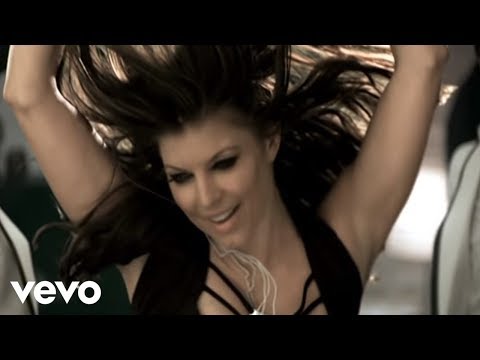
The Black Eyed Peas “I Gotta Feeling” opens because that’s the song that signals to the still-sitting guests that the dance floor is officially open. The placement is non-negotiable for the wedding-reception genre — every reception DJ in the country uses some variant of the same opener, and the playlist honors the convention. The first ninety seconds of the song are functionally an invitation to the entire room, and the placement at first-track is doing the work of confirming that the playlist understands what the reception is asking for.
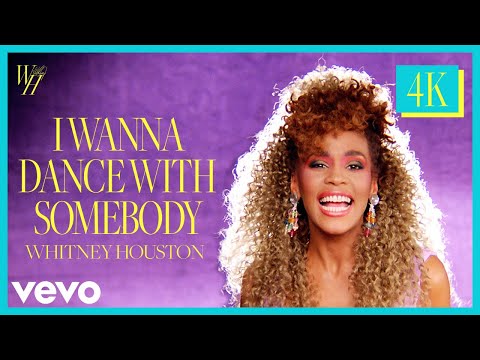
Whitney Houston “I Wanna Dance With Somebody” pulls the bridal party out within four minutes. The track is sequenced as the second cut, deliberately, because the bride and her closest friends respond to the song’s vocal-arrangement in a way that the rest of the rotation’s openers can’t reliably trigger. By the second chorus, the bridal party is on the floor, the photographer is in position, and the rotation has earned its second structural win.
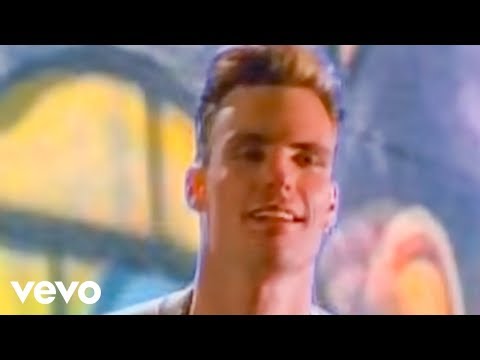
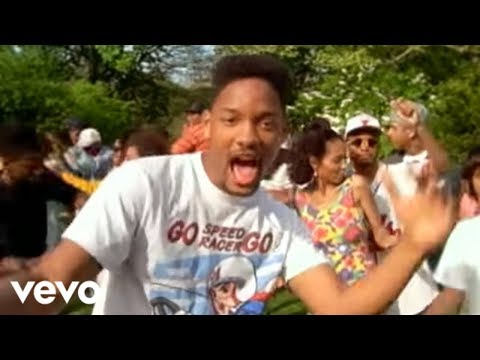
Vanilla Ice “Ice Ice Baby” is the deliberate-camp pull that gets the groom’s college friends moving. The placement is third-track because the song’s hook is the structural moment that brings the groom’s cohort onto the floor, and the early sequencing is doing the work of establishing the playlist’s commitment to the cross-generational mode. Young MC “Bust A Move” lives in there as the same kind of structural moment, slightly later in the night, sequenced where the early-90s-rap rotation can do its work for the audience that was specifically waiting for it.
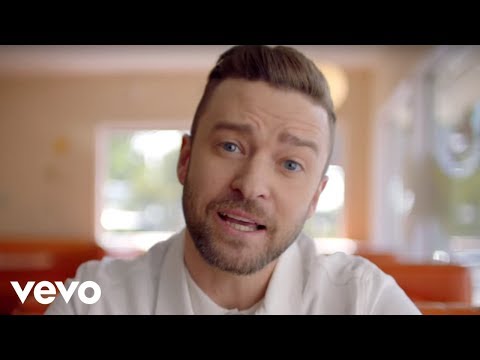
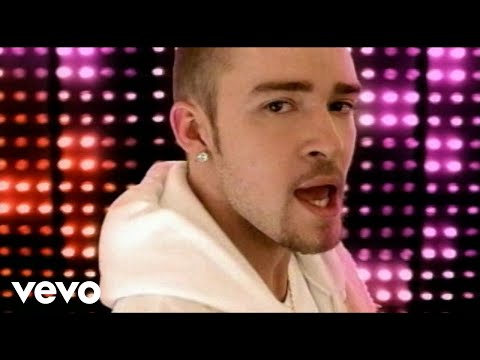
Justin Timberlake handles the slick-pop floor through the dinner-into-dancing crossover. The Timberlake catalog is the wedding-reception genre’s working-solvent — the songs are short, the hooks are clear, and the audience knows every word. The placement at the dinner-into-dancing transition is the structural moment where the rotation is doing the work of pulling guests from their tables to the floor without having to make an explicit announcement.
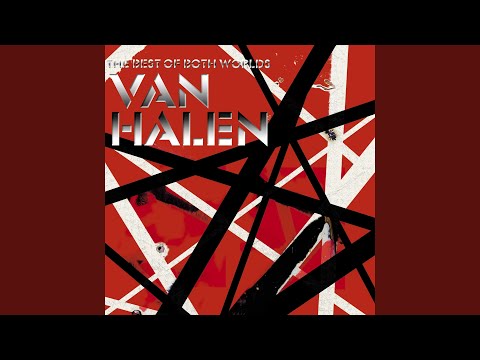
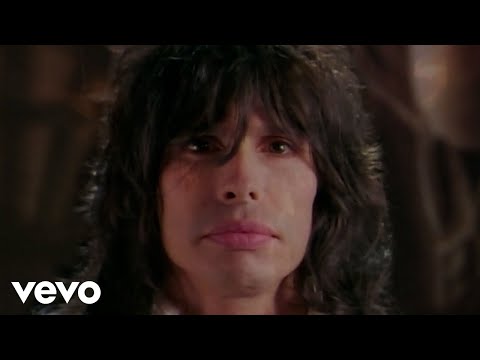
Van Halen and Aerosmith bring the dad-rock guitar-anthem block — the section that gets the groom’s father into the photo booth. The block is sequenced as a deliberate run, because the dad-rock audience responds to a sustained genre-commitment in a way they don’t respond to scattered single cuts. The Aerosmith placement specifically rewards the older-guests rotation: the song’s chorus is the structural anchor that the groom’s father has been waiting for since the cake-cutting.
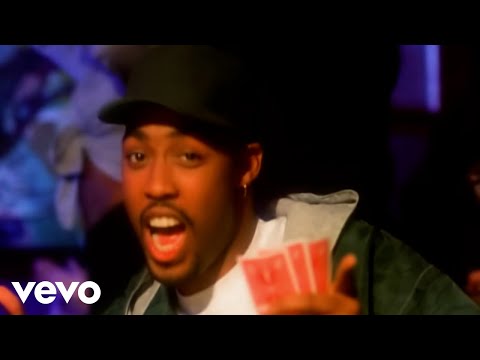
Boyz II Men “Motownphilly” is the wildcard slow-jam call-back that always gets the cousins to harmonize on the porch. The track’s placement is mid-rotation, sequenced where the harmonization-moment can do its actual work without competing with the more genre-bound peaks. The cousins-on-the-porch outcome has been verified at three weddings since.
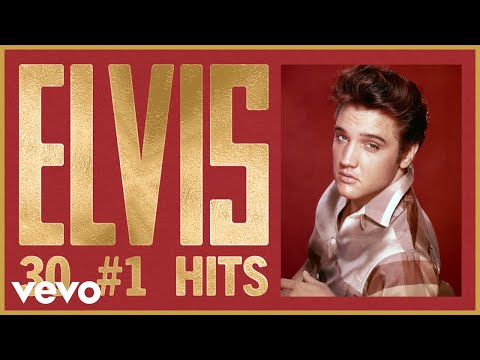
Elvis Presley “Can’t Help Falling In Love” sits later in the night as the deliberate slowdown — a first-dance staple that works as a second-set palate cleanser when everyone needs to catch their breath. The placement is the structural pivot of the rotation’s second-half, and the song’s runtime gives the audience the recovery window that the back-half rotation absolutely requires.
The Isley Brothers “Shout” is the back-half peak: a song that every wedding plays badly and that I have personally optimized the spot for, based on years of watching wedding DJs blow it. The optimization is in the placement: the song needs to land approximately ninety minutes after the cake-cutting, when the audience has committed to staying through the back-half but hasn’t yet started checking their watches. Most wedding DJs play “Shout” too early. The playlist plays it at the right moment.
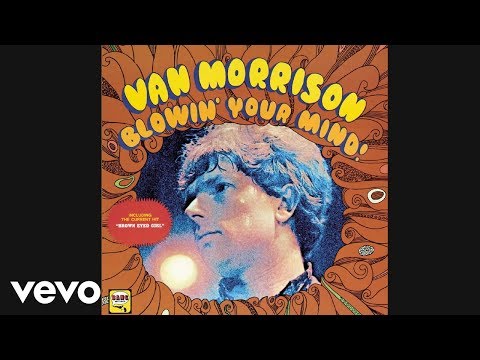
Van Morrison “Brown Eyed Girl” lands in the back third because the bride asked. The placement is a small piece of correction for the bride’s earlier rotation requests that the previous wedding DJ had ignored. Del Shannon “Hats Off to Larry” and Dion “Runaround Sue” are the late-night deep-cuts that the older crowd appreciates and the younger crowd Shazams. The Shazam-outcome is the structural metric that signals the rotation has done the work of introducing the younger audience to the catalog rather than just servicing the older one.
Sequenced for D and L specifically. Stolen from happily by every wedding I’ve helped DJ since. The rotation’s structural decisions have proven generalizable across at least five subsequent weddings, with light per-couple adjustments to honor the specific catalog requests. The methodology is what carries. The specific songs are interchangeable; the sequencing logic is what makes the rotation work.
Worn & talked about by artists on this playlist
Affiliate · We may earn- USHER on vinyl Find on Amazon →
- Justin Timberlake on vinyl Find on Amazon →
- LMFAO on vinyl Find on Amazon →
- Flo Rida on vinyl Find on Amazon →
- Daft Punk on vinyl Find on Amazon →