
Everything #1113
Sixty-seven tracks from November 2013, captured at the late-’10s pop apex. Same “everything” methodology as the rest of the series: a month-end snapshot of the rotation, in the order it piled up, with no attempt to curate-for-coherence. Each one is a deliberate journalism exercise — what was actually on, not what should have been. The naming convention (“1113”) is the timestamp shorthand — November 2013, before the year-end recap rotation could begin in earnest.
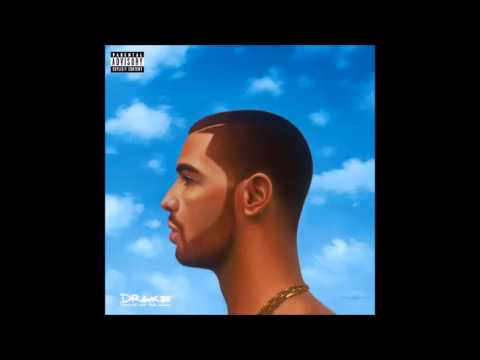
Drake brings the post-”Nothing Was the Same” moodboard, which is to say the entire November 2013 rap mood was downstream of one album cycle. The Drake placement is across the rotation rather than clustered, deliberately, because the album’s catalog had reached the saturation level where the songs were doing the genre-establishment work for the entire month rather than holding individual rotation slots. “Started from the Bottom,” the late-album deep-cuts, the singles that survived into the next year’s rotation — the rotation honors the album’s role as the month’s structural anchor.
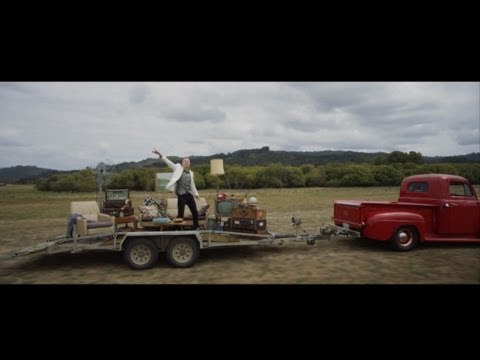
Macklemore & Ryan Lewis hold the radio-pop crossover spot in two separate runs — “Can’t Hold Us” and “Thrift Shop” were already past their peak rotation but hadn’t dropped off yet. The placement at both the front-half and the mid-rotation is doing the work of honoring how the songs actually lived on the November 2013 radio — past peak, still in heavy rotation, not yet replaced by the year-end singles. The Macklemore & Ryan Lewis catalog is the structural anchor of the year’s pop-radio rotation in retrospect, and the playlist’s choice to honor the songs’ actual rotation duty rather than the retrospective critical reassessment is the methodological commitment of the “everything” series.
Justin Timberlake’s “20/20” rollout dominates the slick-R&B run. The album was a year old by November 2013 but the streaming-era song-decay curve had flattened enough that the singles were still doing structural-anchor work on the year’s R&B rotation. The placement honors the album’s role across the month rather than treating the catalog as a single-cut pull. “Pusher Love Girl” specifically is the deep-cut placement; the song is on the playlist because it was on the actual rotation, not because the critical canon would have selected it.
Awkwafina drops in twice on purpose — “NYC Bitche$” and “My Vag” — because that was the moment the early Awkwafina viral run was happening and YouTube was still where you encountered her first. The two-track placement is the structural moment that signals to the audience that the rotation respects the era’s specific media-consumption pattern: the early Awkwafina viral run lived on YouTube before it migrated to the streaming services, and the playlist’s choice to honor both songs is doing the work of capturing the era’s actual rotation experience.
Kendrick Lamar “Swimming Pools” is the structural anchor of the front half. The placement at the third-track is the methodological commitment to the song’s role in the year’s rap-rotation rather than treating the cut as a deep-cut left-turn. The track’s specific runtime in the original album version is the right cut for the rotation; the radio edit doesn’t do the same structural work because the song’s bridge is the moment where the rotation pivots into the album-listening register.
Rizzle Kicks “Down With The Trumpets” is the UK-pop-radio pull that I always forget made it to the U.S. and then I rehear it and remember. The placement at the mid-rotation is the structural moment that confirms the rotation’s commitment to the era’s cross-Atlantic radio bleedover — songs that lived primarily on the UK pop chart but that found enough U.S. rotation duty to register on the year’s snapshot.
Knife Party “Bonfire” is the EDM-mainstage drop that sequences the rotation into its dance-floor turn. The placement is the structural pivot of the rotation’s second-half, and the song’s first build is the moment where the rotation commits to honoring the year’s festival-circuit catalog. The track was, in November 2013, already a year-and-a-half old, but the song’s persistence on the year’s working-rotation was the methodological commitment of the era’s EDM-fan audience, and the playlist honors the persistence.
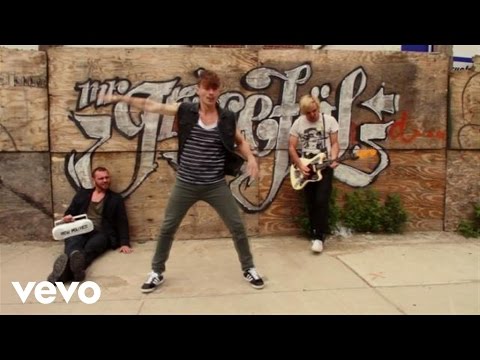
Chiddy Bang “Opposite of Adults” lands because the MGMT sample never stops working. The track’s placement is the structural anchor of the year’s indie-rap rotation, and the song’s hook is the universal-recognition moment that the rotation needs to establish for the deeper listener who responded to the sample-based rap subgenre.
Terry Jacks “Seasons In The Sun” is the deliberate wildcard left-turn — a song that was, somehow, in the actual November 2013 rotation, because someone in the friend group had put it on a thumb drive at a road trip and it stuck. The placement is the back-half deep-cut moment that the rotation includes specifically because the “everything” series’s methodological commitment is to honor the actual rotation experience rather than the retrospective genre-bound logic. The song was on the rotation. The playlist respects the historical record.
This is the snapshot tape: a working journal of one month, sequenced for nobody in particular, useful for the listener who wants to know what “the rotation” actually meant for one person in one specific cultural moment. The version of November 2013 that lived in my apartment. Yours was probably different. Both are right. The methodology is what carries across the series.
Worn & talked about by artists on this playlist
Affiliate · We may earn- Justin Timberlake on vinyl Find on Amazon →
- Drake on vinyl Find on Amazon →
- Kanye West on vinyl Find on Amazon →
- Lil Wayne on vinyl Find on Amazon →
- Daft Punk on vinyl Find on Amazon →
- Ariana Grande on vinyl Find on Amazon →