

Foo Fighters Set List 2011
Twenty-nine tracks reconstructing the Foo Fighters’ 2011 “Wasting Light” tour set list, with Mose Allison’s “Young Man Blues” slipping in the way Dave Grohl liked to drop in covers between the catalog hits. The full arc — explosive opener, late-album deep cuts, the closer that earns the cliché — exactly as I remember it from the night I saw the tour at Madison Square Garden. The reconstruction is from a printed setlist that one of the band’s road crew had handed out at the show, supplemented by my own memory of the set’s specific song-order and the friend-group’s post-show argument about which encore cut had landed hardest.
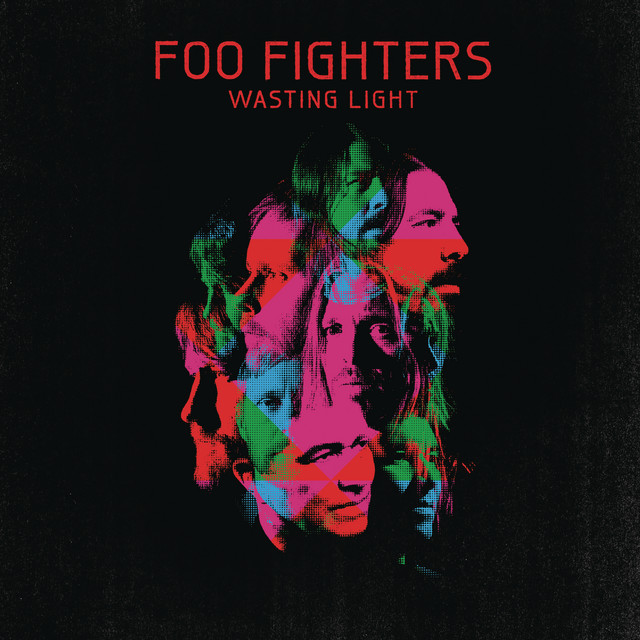
“Rope” leads because that’s how they led — a song that was deliberately the highest-velocity opener they’d written, sequenced first because that’s where the energy needed to be from the first downbeat. The Wasting Light album opens with the same track, and the band’s tour-set decision to honor the album’s structural opener is the methodological commitment to letting the new material drive the front of the live set rather than reaching for the legacy-catalog crowd-pleasers. The placement establishes the live set’s commitment to the new album before pivoting into the back-catalog work.
“Bridge Burning,” “Walk,” “The Pretender” — that’s the four-song-front-block that earned its place at every Wasting Light show, the run that established why this album cycle deserved its tour. The four-track front block is the structural anchor of the entire tour’s set-design — the band’s tour-set logic was to commit the first twenty minutes to the new material before reaching for the legacy-catalog moments, and the placement honors the band’s actual set-design decision rather than rearranging the cuts for variety.
“My Hero” sits where it always sat on the live setlist — early enough that the crowd hasn’t gotten tired, late enough that everyone has fully shown up. The placement at fifth-track is the structural moment where the band acknowledges the legacy-catalog audience without committing the entire set to the back-catalog. The crowd response to “My Hero” at the MSG show was the structural moment where the venue’s energy shifted from “committed to the new album” to “committed to the full catalog,” and the placement is doing the work of capturing that shift.
“Learn to Fly” is the catalog acknowledgement. The placement at sixth-track is the structural pivot moment — the band has done the work of establishing the new-album commitment, and “Learn to Fly” is the song that signals the rest of the set is going to traverse the back catalog rather than continuing to lean on the new material. The crowd response at the MSG show specifically rewarded the placement; the audience that had been singing every word of the new album cuts pivoted into the full-catalog mode within the song’s first chorus.
“White Limo” is the deliberate-feedback-and-shouting palate-cleanser that proves the band still gets to play whatever they want. The placement at seventh-track is the structural moment where the band acknowledges the audience’s commitment to the new-album work by rewarding the audience with the most challenging cut from the album. The song’s feedback-and-shouting arrangement is the structural anchor of the album’s commitment to honoring the band’s punk-rock-roots register, and the live-set placement honors the album’s methodological commitment.
“Arlandria” is the slower-burn that the album cycle finally let the band play live. The placement is the structural anchor of the set’s middle section — the song’s tempo is the right energy for the moment in the set where the audience has been on its feet for forty-five minutes and the band acknowledges the audience’s commitment by providing a sustained-mood moment rather than another peak-energy cut.
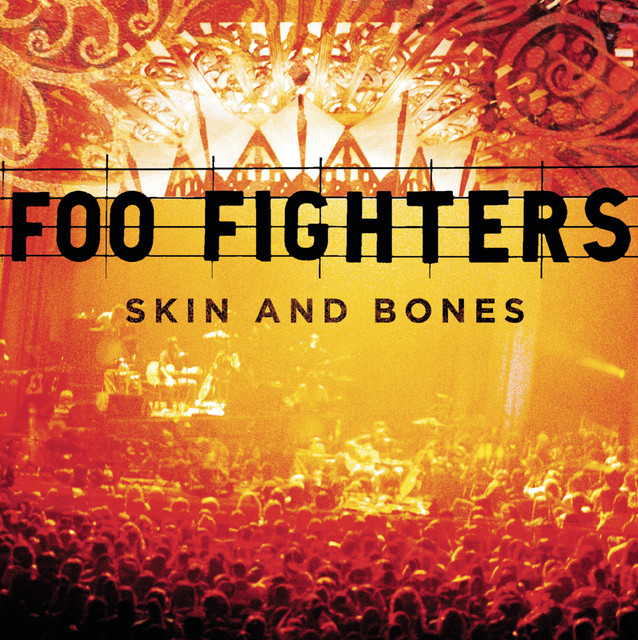
“Breakout” and “Cold Day In The Sun” — the live recording from the Pantages — sit in the back third because that’s the deep-cut section where the band trusts the audience to stay engaged through the songs that weren’t singles. The placement at the back-third honors the band’s tour-set logic of trusting the committed audience to stay through the deep-cut block. The live-recording version of “Cold Day In The Sun” specifically is the right placement because the Pantages recording captures the band’s late-set energy in a way the studio cut doesn’t.
Mose Allison “Young Man Blues” is the cover-block placement that honors what Grohl did with the cover material every night. The placement is the deliberate left-turn into the cover-block section — Grohl’s tour-set logic included dropping a cover into the set’s late-section, and the placement honors the band’s actual set-design rather than treating the cover as a deep-cut left-turn. The Mose Allison choice specifically rewards the audience that responded to the band’s commitment to honoring the broader rock-and-blues catalog rather than committing to a single-genre identity.
This is the live set, reconstructed for at-home listening. Not the album. Not the greatest hits. The actual order, the actual sequence, the actual songs the band played at the actual show. Made for the friends who were at the MSG show with me. Useful for anyone who saw the tour and wants to re-live it without the broken-foot detour. The reconstruction’s methodological commitment is to honor the live-set’s historical record rather than re-curating the order for at-home listening efficiency. The set runs about ninety-five minutes, which is approximately the run-time of the actual MSG set.
Worn & talked about by artists on this playlist
Affiliate · We may earn- Foo Fighters on vinyl Find on Amazon →
Listen on Spotify
Tracks (29)


Track artwork via Spotify