Weekend Kickoff: Hip Hop Shorty
Twenty-eight tracks of hip-hop-leaning Weekend Kickoff programming — the run for the Fridays where the rotation pulled toward the rap side rather than the broader cross-genre survey. The variant tape that I would put on instead of the standard Weekend Kickoff when the energy of the week had been heavy or the friend group’s request volume had been weighted toward the rap side. The variant-tape methodology is the rotation’s structural commitment — the playlist is the working-utility for the friend-group’s specific request-volume-weighted-toward-rap context rather than the standard Weekend Kickoff’s cross-genre survey framing.
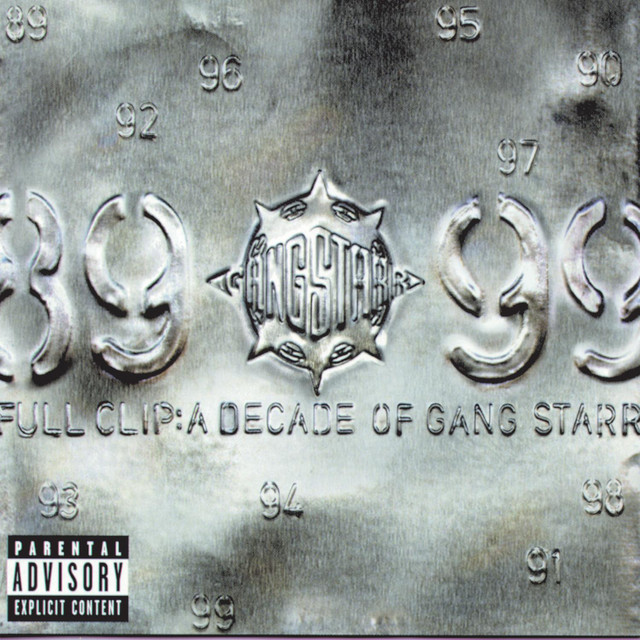
Gang Starr anchor the boom-bap-with-jazz-samples legacy core that defines the rotation’s spine. The Gang Starr catalog is the rotation’s structural backbone for the boom-bap-with-jazz-samples register — the duo’s catalog is the genre’s foundational figure for the early-’90s-into-late-’90s boom-bap-with-jazz-samples working-rotation, and the placement honors the duo’s role across the rotation.
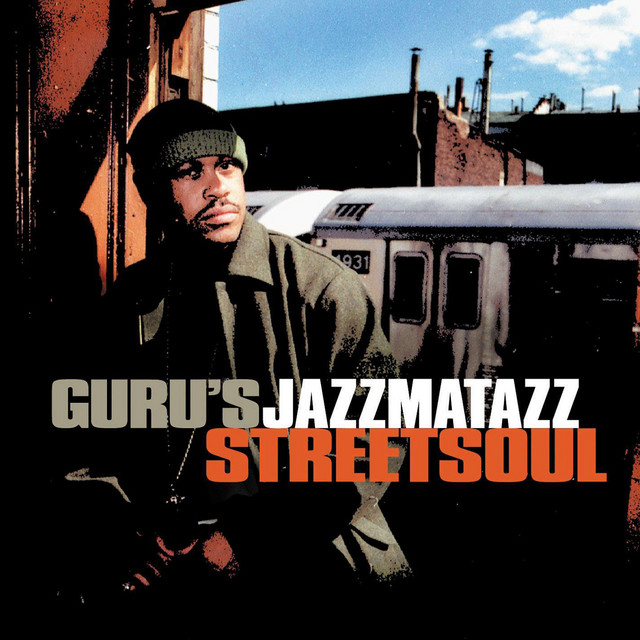
Guru with Angie Stone “Keep Your Worries” is the deliberate sequencing into the Jazzmatazz-era catalog that the front half explicitly honors. The placement is the rotation’s structural commitment to the Jazzmatazz-era sub-genre — Guru’s Jazzmatazz catalog is the structural anchor of the late-’90s-into-early-aughts jazz-and-rap fusion working-rotation, and the placement is doing the work of providing the rotation’s universal-recognition Jazzmatazz-anchor that the rotation’s specific sub-genre commitment absolutely requires.
Ghost Town DJs “My Boo” (the Hitman’s Club Mix) is the wildcard sample-flip that bridges the hip-hop-canon to the broader-rotation memory. The placement is the rotation’s structural commitment to the cross-canon bridge methodology — the Ghost Town DJs cut is the structural anchor of the late-’90s hip-hop-canon’s bass-and-bounce cross-rotation working-rotation, and the placement is doing the work of providing the rotation’s cross-canon bridge that the variant-tape’s working-rotation absolutely requires.
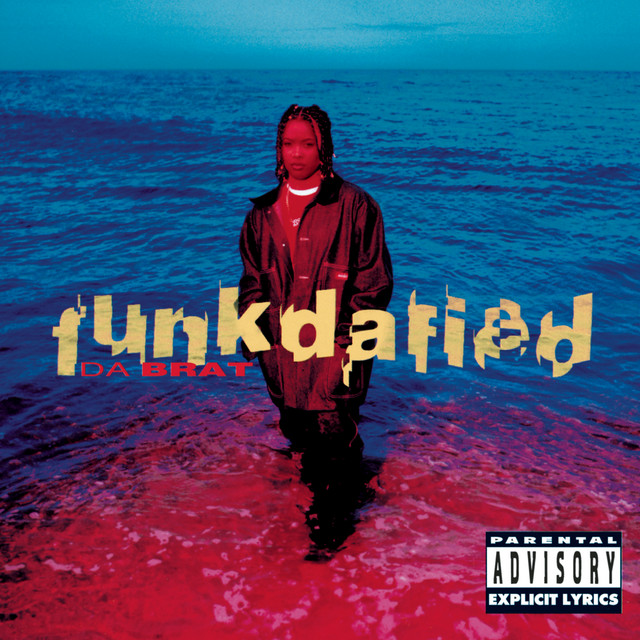
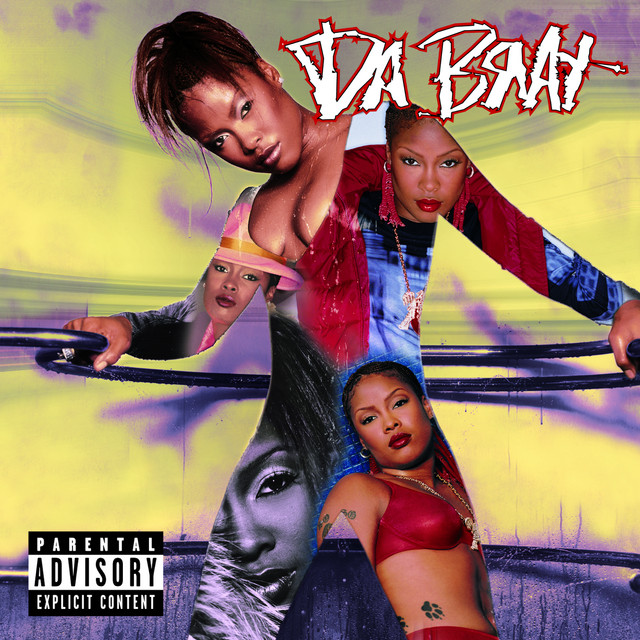
Da Brat “Funkdafied” sits in the front quarter as the structural anchor of the mid-’90s rap-radio rotation. The placement is the rotation’s structural commitment to the mid-’90s rap-radio register — the Da Brat catalog is the genre’s foundational figure for the mid-’90s rap-radio working-rotation’s female-MC sub-style, and the placement honors the artist’s role across the rotation.
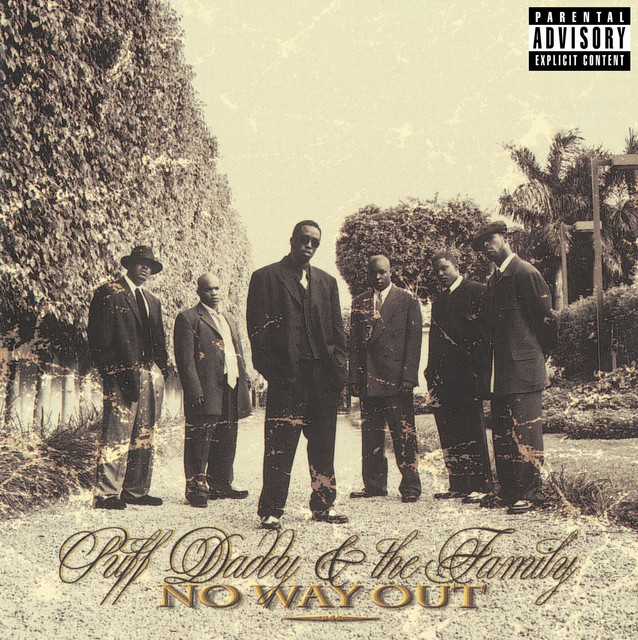
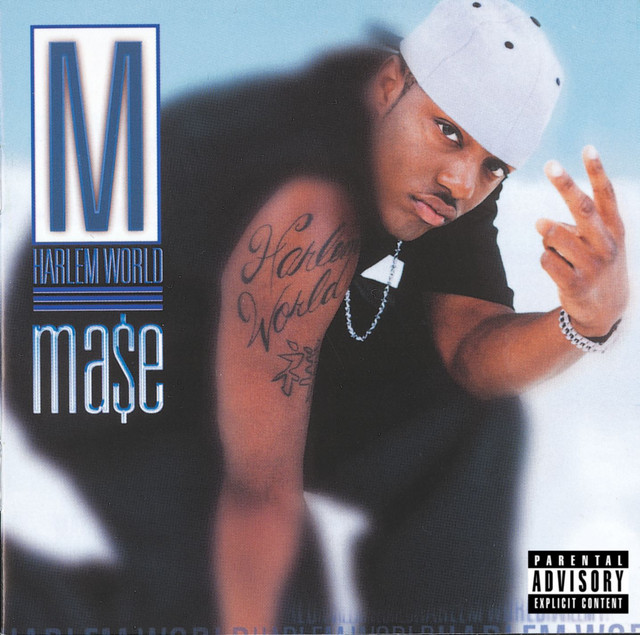
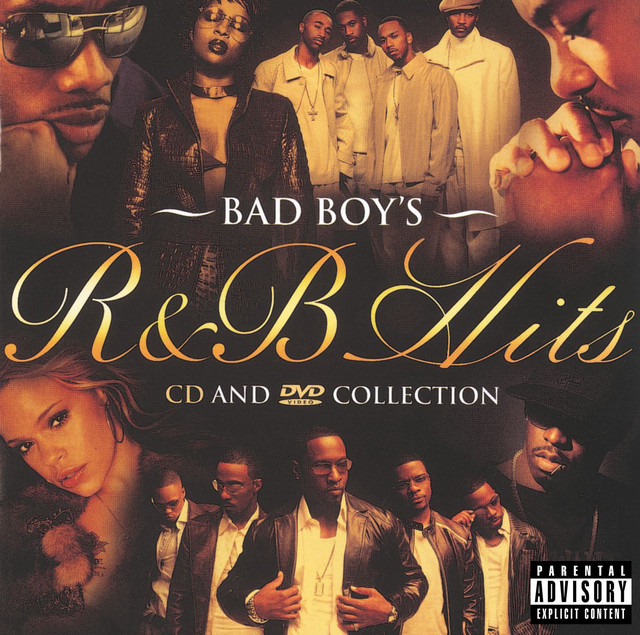
Diddy with The Notorious B.I.G. and Mase “Been Around the World” is the late-’90s production-anchor that the rotation needs. The placement is the rotation’s structural commitment to the late-’90s production-house register — the Diddy-and-Biggie collaboration was, in the genre’s late-’90s working-rotation, the structural anchor of the Bad Boy Records production-house working-recording, and the placement honors the production-house’s role across the rotation.
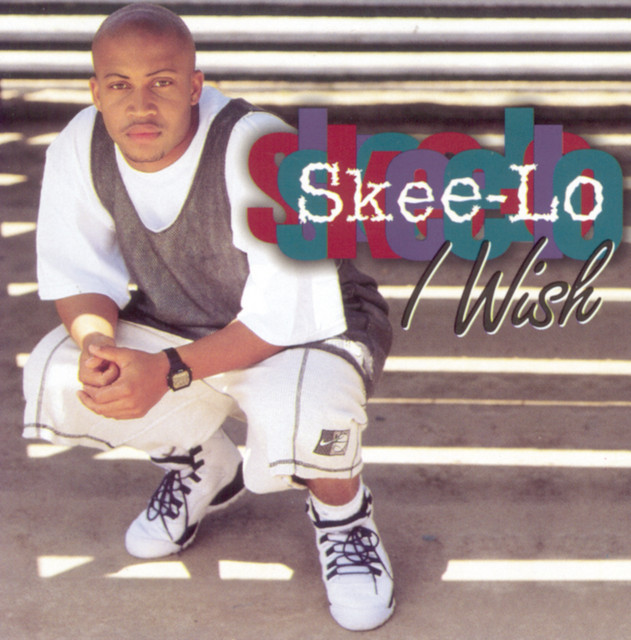
Skee-Lo “I Wish” is the deliberate-camp pull that lands harder now than it did at the time. The placement is the rotation’s structural commitment to the deliberate-camp register — the Skee-Lo catalog is the rotation’s working-utility for the unironic-singalong moments, and the placement is doing the work of providing the rotation’s deliberate-camp moment that the variant-tape’s working-rotation absolutely requires.
Da Brat with Tyrese “What’chu Like” is the deliberate-sequencing of the same artist in two slots — a structural choice that honors how the artist’s catalog actually lived on rotation. The two-track Da Brat placement is the rotation’s structural commitment to honoring the artist’s full-catalog role across the variant-tape’s working-rotation, and the playlist’s choice to sequence the artist in two slots rather than treating the catalog as a single-cut pull is the methodological commitment of the variant-tape series.
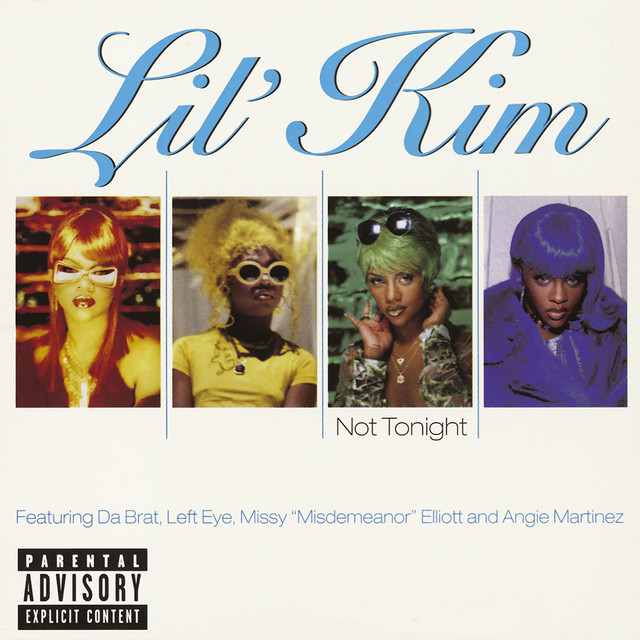
Lil’ Kim with Lil’ Cease “Crush on You” (the Remix) is the late-’90s rap-radio peak that the back-half builds toward. The placement is the rotation’s structural commitment to the late-’90s rap-radio peak register — the Lil’ Kim collaboration was, in the late-’90s rap-radio working-rotation, the structural anchor of the year’s female-MC working-rotation, and the placement honors the artist’s role across the rotation.
Twenty-eight tracks lands at about ninety minutes — the right length for a Friday-evening rotation that wants to commit to a single mood without overstaying. The runtime is calibrated for the natural span of the variant-tape’s working-utility context — approximately ninety minutes of sustained Friday-evening rotation from the dinner-prep into the post-dinner kitchen-cleanup, with the playlist’s variant-tape framing providing the rotation’s specific sub-genre commitment.
The naming convention (“Shorty”) was the inside joke for the hip-hop-leaning variants — a nod to the era’s pet-name vocabulary. The inside-joke naming-convention framing is the rotation’s structural commitment to the friend-group’s collective working-rotation vocabulary — the naming-convention is doing the work of acknowledging the friend-group’s specific cross-rotation cultural-history, and the playlist’s choice to honor the naming-convention rather than reaching for a more-formal naming-style is the methodological commitment of the variant-tape series.
The tape that the friend group would specifically request when the week had been long and the energy needed the rap-rotation specifically rather than the broader survey. Built for the variant Friday. Works for any evening where the rotation needs to be hip-hop and to commit fully to the genre. The friend-group’s request-specific framing is the methodological anchor of the variant-tape series — the playlist is meant to be the working-utility for the friend-group’s specific request-pattern rather than the catalog-version that a streaming-era discovery would provide.