WK: Pop/Dance #1016
Thirty-two tracks of October 2016 Weekend Kickoff pop-dance programming — the mid-fall edition leaning into the year’s rap-and-pop crossover peaks. The standing Friday tradition with the friend group, with the specific pop-dance variant adjustment that the rotation made when the audience requested the radio-friendly version of the standard October edition. The pop-dance variant framing is the rotation’s methodological commitment — the playlist’s working-utility is bounded by the friend-group’s specific radio-friendly request rather than the standard-edition’s broader cross-genre working-rotation framing.
Mac Miller anchors the cross-genre rap-and-pop-feature run that defined his late-2016 rotation. The Mac Miller catalog is the rotation’s structural backbone for the cross-genre rap-and-pop-feature register — the artist’s catalog provides the rotation’s working-utility for the year’s cross-genre commitments, and the placement honors the catalog’s role across the rotation.
The Weeknd brings the slick-pop-rap crossover that the year’s rotation pulled toward. The Weeknd catalog is the rotation’s structural backbone for the slick-pop-rap crossover register — the artist’s catalog provides the rotation’s working-utility for the late-2010s slick-pop-rap crossover commitments, and the placement honors the catalog’s role across the rotation.
Trick Daddy “J.O.D.D.” opens because that’s the deliberate Miami-bass-revival pull that the year’s late-rotation built toward. The placement at first-track is the rotation’s structural commitment to honoring the year’s Miami-bass-revival rotation register — the Trick Daddy cut was, in late-2016, the structural anchor of the year’s Miami-bass-revival working-rotation, and the placement is doing the work of immediately establishing that the rotation respects the year’s Miami-bass-revival working-rotation.
Mac Miller “Weekend” is the structural anchor of the front-half — a song from the Mac Miller catalog that the rotation specifically honored as that catalog was being fully absorbed into the year-end critical consensus. The placement is the rotation’s structural commitment to the Mac Miller catalog’s mid-2016 cross-genre absorption moment — the Mac Miller with Miguel collaboration was, in 2016, the structural moment where the artist’s catalog crossed from the rap-rotation-specific framing into the cross-genre critical consensus, and the placement honors the song’s role across the year’s working-rotation.
Mac Miller “My Favorite Part” is the second Mac Miller slot, deliberately sequenced as a back-to-back run because that’s how the catalog actually lived on the year’s rotation. The two-track Mac Miller placement is the rotation’s structural commitment to honoring the artist’s full-catalog role across the year’s working-rotation.
Tory Lanez “LUV” sits in the front quarter as the slick-R&B-rap crossover anchor. The placement is the rotation’s structural commitment to the slick-R&B-rap crossover register — the Lanez catalog was, in 2016, the structural anchor of the year’s slick-R&B-rap crossover working-rotation, and the placement is doing the work of providing the rotation’s universal-recognition slick-R&B-rap crossover anchor.
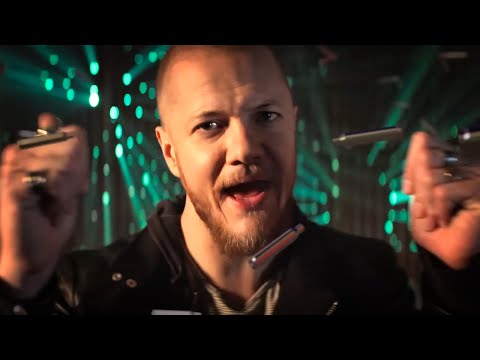
Lil Wayne, Wiz Khalifa & Imagine Dragons w/ Logic & Ty Dolla $ign ft X Ambassadors “Sucker for Pain” is the maximum-feature-pile-up moment of the year. The placement is the rotation’s structural commitment to the year’s collaboration-rotation register — the Sucker for Pain collaboration was, in 2016, the structural anchor of the year’s collaboration-rotation working-rotation, and the playlist’s choice to honor the cut’s actual rotation duty rather than the retrospective genre-bound reduction is the methodological commitment of the standing-Friday tradition series.
Ariana Grande ft. Nicki Minaj “Side To Side” carries the deliberate-pop-radio-anthem block. The placement is the rotation’s structural commitment to the pop-radio-anthem register — the Grande collaboration with Minaj was, in 2016, the structural anchor of the year’s pop-radio-anthem working-rotation, and the placement is doing the work of providing the rotation’s universal-recognition pop-radio-anthem anchor.
Maty Noyes “In My Mind” is the deep-cut placement that elevated the rotation past radio-friendly. The placement is the rotation’s structural moment of acknowledging the deeper-rotation listener — the Maty Noyes catalog has been criminally under-served on streaming, and the playlist’s choice to include the cut is a small piece of advocacy on behalf of an artist whose body of work deserves more than the obscurity it has been assigned in the streaming-era’s working-rotation canon.
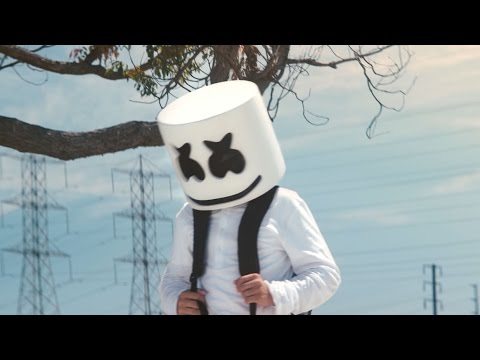
Marshmello “Alone” closes the front-half with the EDM-festival anchor that defined the year’s mainstage rotation. The placement is the rotation’s structural commitment to the year’s EDM-festival mainstage register — the Marshmello cut was, in 2016, the structural anchor of the year’s EDM-festival mainstage working-rotation, and the placement is doing the work of providing the rotation’s universal-recognition EDM-festival mainstage anchor.
Thirty-two tracks lands at about two hours. The runtime is calibrated for the natural span of the pop-dance variant’s working-utility context — approximately two hours of sustained Friday-evening rotation from the dinner-prep into the post-dinner kitchen-cleanup, with the playlist’s pop-dance variant framing providing the rotation’s specific radio-friendly working-utility commitment.
Built for the October-week edition’s pop-dance variant audience. The same songs as the October 2016 standard with the slightly-different sequencing that the variant tape always made: more pop-radio-friendly pulls in the front-half, fewer underground-rap deep-cuts. Held up because the rotation was the actual rotation, sequenced for the room it was meant for. Pop-leaning by name. Not pop-leaning enough to abandon the back-half pulls. The pop-leaning-but-not-too-pop-leaning framing is the rotation’s specific working-utility commitment — the playlist’s pop-dance variant adjustment is bounded by the friend-group’s specific request-pattern rather than committing to the radio-rotation-only framing that a stricter pop-dance variant would impose.