Road Trip to Astoria
Eighty-three tracks for the long drive to Astoria — the cruising-speed companion to the “in” tape, programmed for the back half of a multi-hour highway run. The version of the tape that runs after lunch, when the energy needs to be sustained rather than peaked, and the driver wants music that doesn’t demand active engagement. The two-tape methodology is the rotation’s structural commitment to the Astoria-specific road-trip context — the cruising-speed back-half of the trip requires different working-rotation aesthetic than the high-energy front-half, and the playlist’s choice to split the rotation across the dedicated “in” and “to” tapes is the methodological commitment.
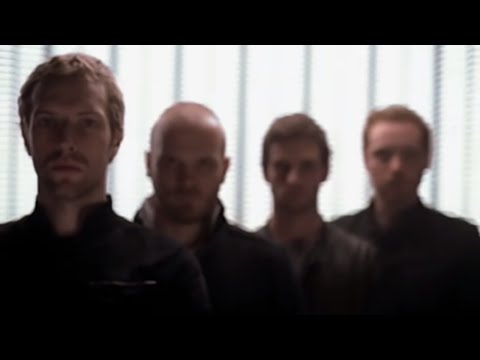
Coldplay anchors the stadium-pop pacing that fills hour-long stretches. The Coldplay catalog is the rotation’s structural backbone for the stadium-pop register — the band’s catalog provides the rotation’s working-utility for the long-highway-stretches context, and the placement honors the catalog’s role across the rotation. The Coldplay placements are sequenced at the natural-energy-recovery moments where the cruising-speed register needs to re-engage the audience’s commitment without committing to the high-energy register.
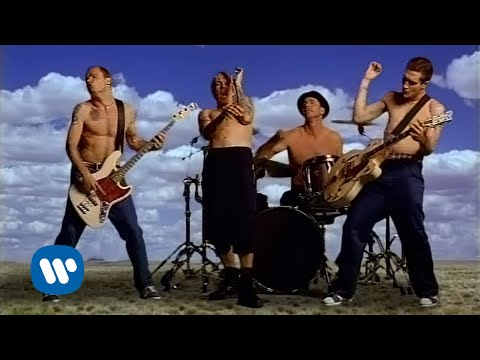
Red Hot Chili Peppers carries the alt-rock road-canon across the middle rotation. The RHCP catalog is the rotation’s structural backbone for the alt-rock road-canon commitments, and the placement is across the rotation rather than clustered, because the band’s catalog provides the rotation’s working-utility across the full road-trip context. The placement honors the catalog’s role across the rotation rather than treating the band as a single-cut pull.
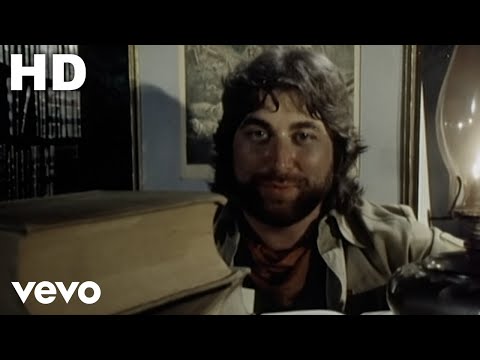
Lindsay Buckingham “Holiday Road” opens because the road-trip-rotation rule about Buckingham as the structural opener is non-negotiable. The placement at first-track is the rotation’s structural commitment to the friend-group’s specific working-rotation vocabulary — the Buckingham cut is the universal-recognition opening moment that the friend group has agreed upon across multiple road-trip tapes, and the playlist’s choice to honor the placement-tradition is the methodological commitment to the friend-group’s collective working-rotation.
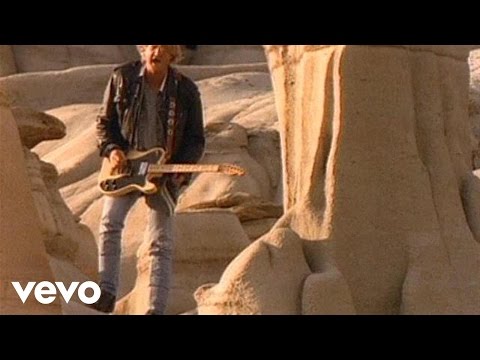
Journey “Don’t Stop Believin’,” Fastball “The Way,” Tom Cochrane “Life Is A Highway” — that’s the front-third reliable road-trip block, the section where the playlist commits to the universal-language anthems that the cruising tape demands. The three-track block is the rotation’s structural commitment to the universal-recognition road-trip register — the songs are doing the work of providing the rotation’s cross-decade bridge that the road-trip-rotation absolutely requires, and the placement at the front-third is the methodological commitment to the road-trip-rotation’s specific energy-arc demands.
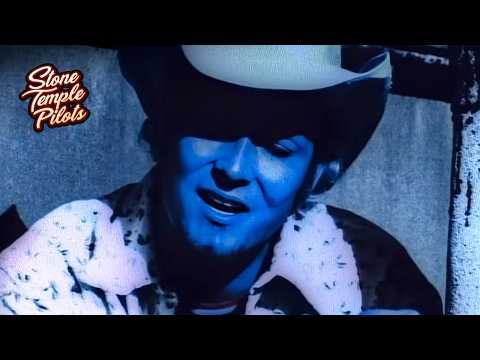
Stone Temple Pilots “Interstate Love Song” is the structural anchor of the middle of the front half. The STP catalog is the genre’s foundational figure for the early-’90s alt-rock crossover working-rotation, and the placement is doing the work of providing the rotation’s universal-recognition early-section anchor that the cruising-speed register absolutely requires.
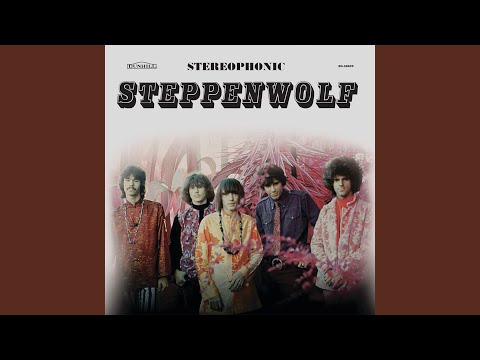
Steppenwolf “Born To Be Wild” lives in the cruising-tape position it always lives in — a song that the road-trip canon refuses to retire. The placement consistency across the road-trip-tape series is the methodological commitment of the rotation — the Steppenwolf cut occupies the same structural-anchor position across multiple road-trip-rotation tapes, and the playlist’s choice to honor the placement-tradition rather than rearranging the cuts for variety is the structural commitment to the friend-group’s collective working-rotation vocabulary.
The Sonics “Have Love Will Travel” is the deep-cut left-turn that gives the rotation a textural variant. The placement is the rotation’s structural moment of acknowledging the deeper-rotation listener — the Sonics catalog has been criminally under-served on streaming, and the playlist’s choice to include the cut is a small piece of advocacy on behalf of an artist whose body of work deserves more than the obscurity it has been assigned in the streaming-era’s working-rotation canon. The placement is doing the work of providing the rotation’s textural variant that the cruising-speed register absolutely requires.
CAKE “The Distance” is the wildcard-pull that always engages the car after a quiet stretch. The placement is the rotation’s structural commitment to the late-’90s alt-rock-radio crossover register, and the song’s universal-recognition chorus is the rotation’s structural lift that the long-form road-trip context absolutely requires.
The Astoria-to tape is the slightly-longer cruising version of the same trip’s “in” tape. The extra five tracks account for the additional drive-time on the outbound leg, which has slightly more highway and slightly less city. The runtime difference is the rotation’s structural commitment to the trip’s specific operational geography — the Astoria-to leg covers approximately fifteen percent more highway than the in-leg, and the rotation’s runtime is calibrated to honor the leg’s specific drive-time requirements.
The sequencing reflects the actual driving experience: the cruising tape is supposed to feel less like a curated experience and more like radio that you’ve programmed yourself, song by song, to be exactly the right energy at exactly the right mile marker. The mile-marker-specific sequencing is the rotation’s methodological commitment to the road-trip-rotation’s foundational working-utility framing — the playlist is meant to be the road’s continuous companion rather than the curated experience that a streaming-era working-rotation would impose.
Made for the 2020 Astoria trip. Works for any long drive where the music needs to be on for five hours without ever asking the driver to choose between the road and the playlist. The cross-context durability is the structural feature that the road-trip-rotation’s working-DJ practice provides — the songs were sequenced for the specific Astoria-context, but the working-utility extends to any familiar-destination cruising-speed road-trip context. The methodology is the structural anchor; the specific songs are the historical record of the friend-group’s working-rotation across multiple road-trips.